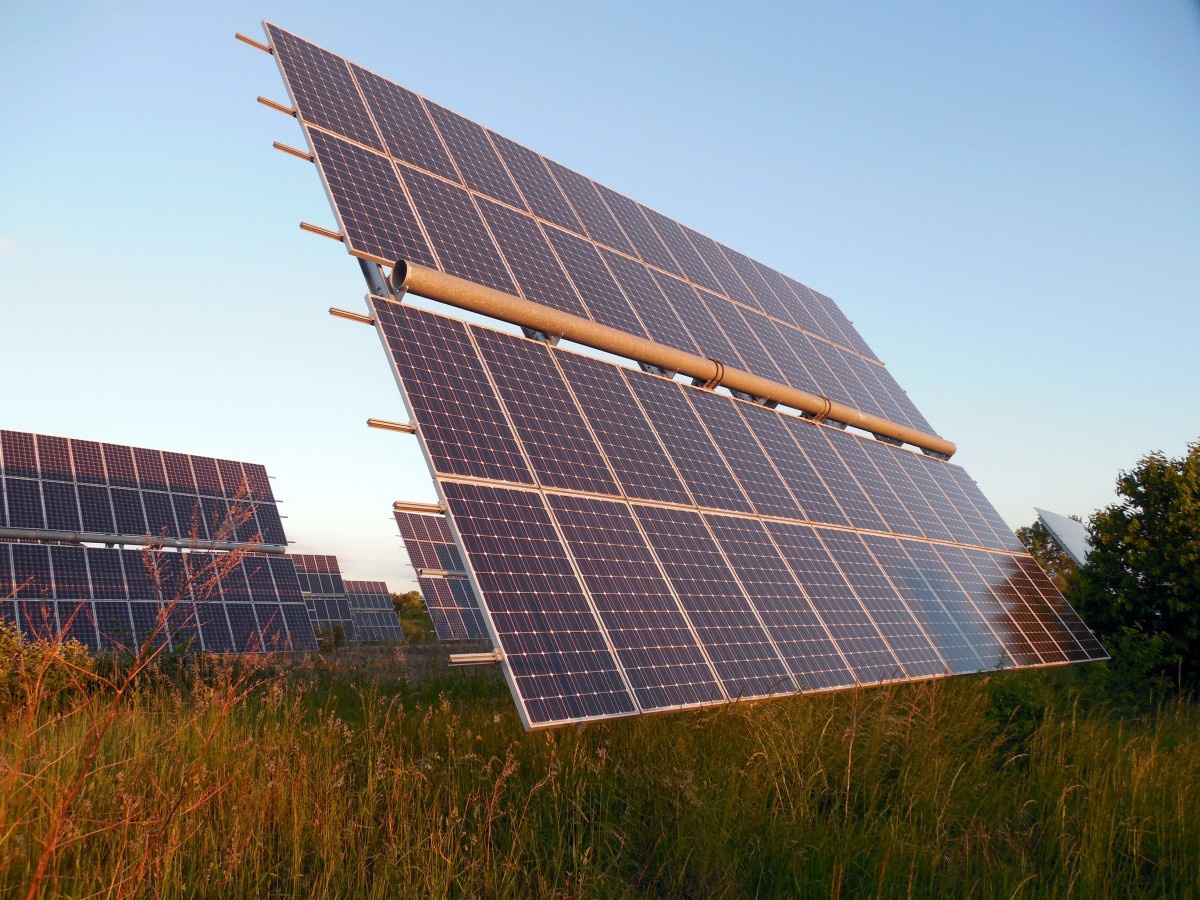
A home energy storage system combines batteries, an inverter, solar panels and controls to store electricity for later use. It can support backup power, improve solar self-consumption and reduce dependence on the grid during peak periods or outages.
Key parts of a home energy storage system
The main components are the home energy storage system, battery module, inverter and solar panels. Each part should match the required power, daily energy use and installation environment.
Battery chemistry
LiFePO4 batteries are popular for energy storage because they offer long cycle life, stable performance and good thermal safety. Lithium batteries can be used in many storage applications when the design matches voltage, capacity and protection requirements.
How to size the system
Start with daily electricity consumption, required backup hours, peak load, solar array size and installation space. For hot climates, high-temperature battery performance and cooling design should also be considered.
Related EnerStorAI pages
Review home energy storage, LiFePO4 battery, inverter and contact EnerStorAI for project support.