

Application-engineered battery solutions
A custom LiFePO4 battery pack combines cells, electrical protection, BMS logic, interconnects and mechanical packaging around a defined load profile. Common enquiries include 12V, 24V and 48V systems and capacities such as 100Ah or 200Ah, but the correct configuration depends on current, runtime, space and charging conditions.
Application and product references
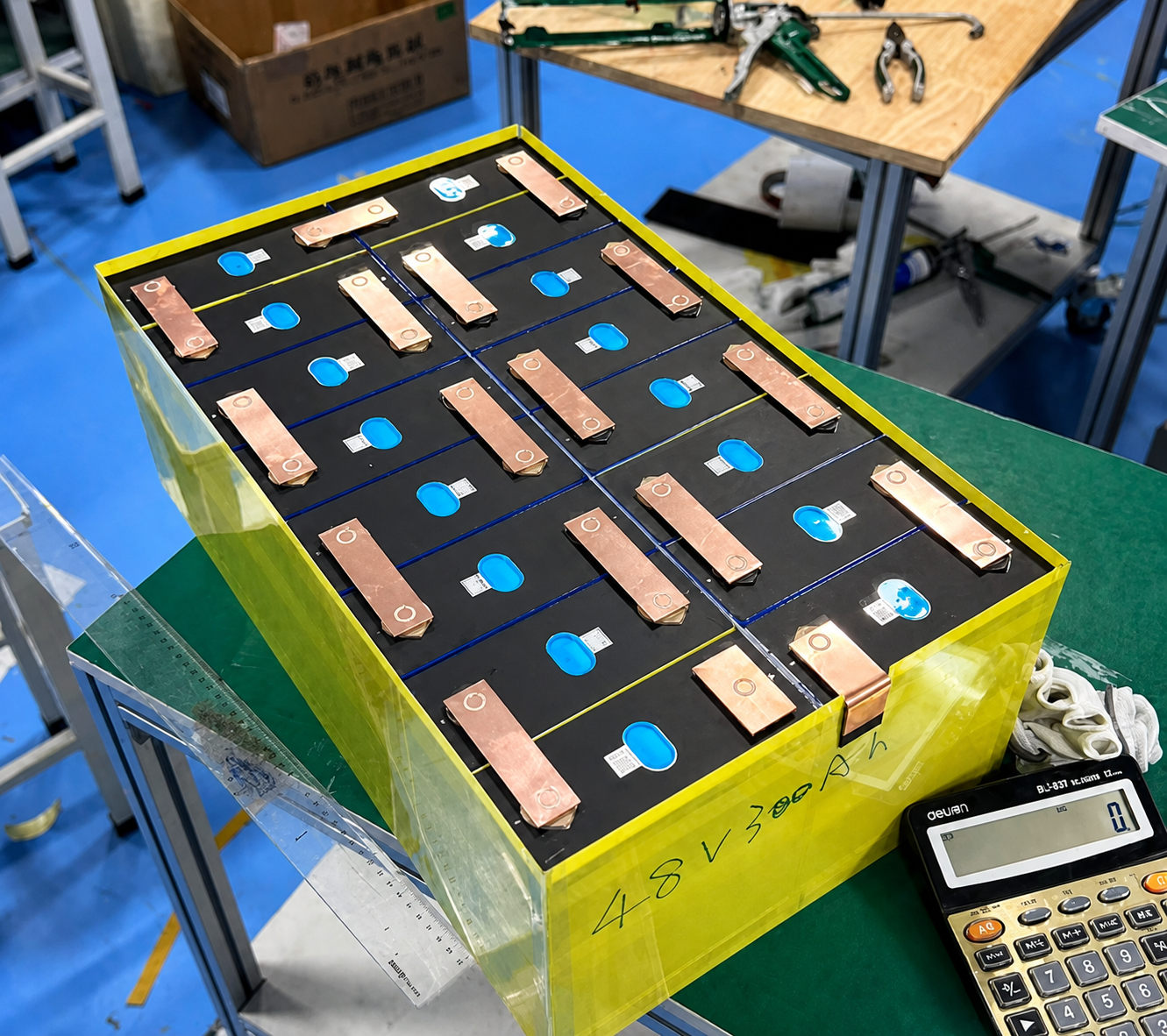
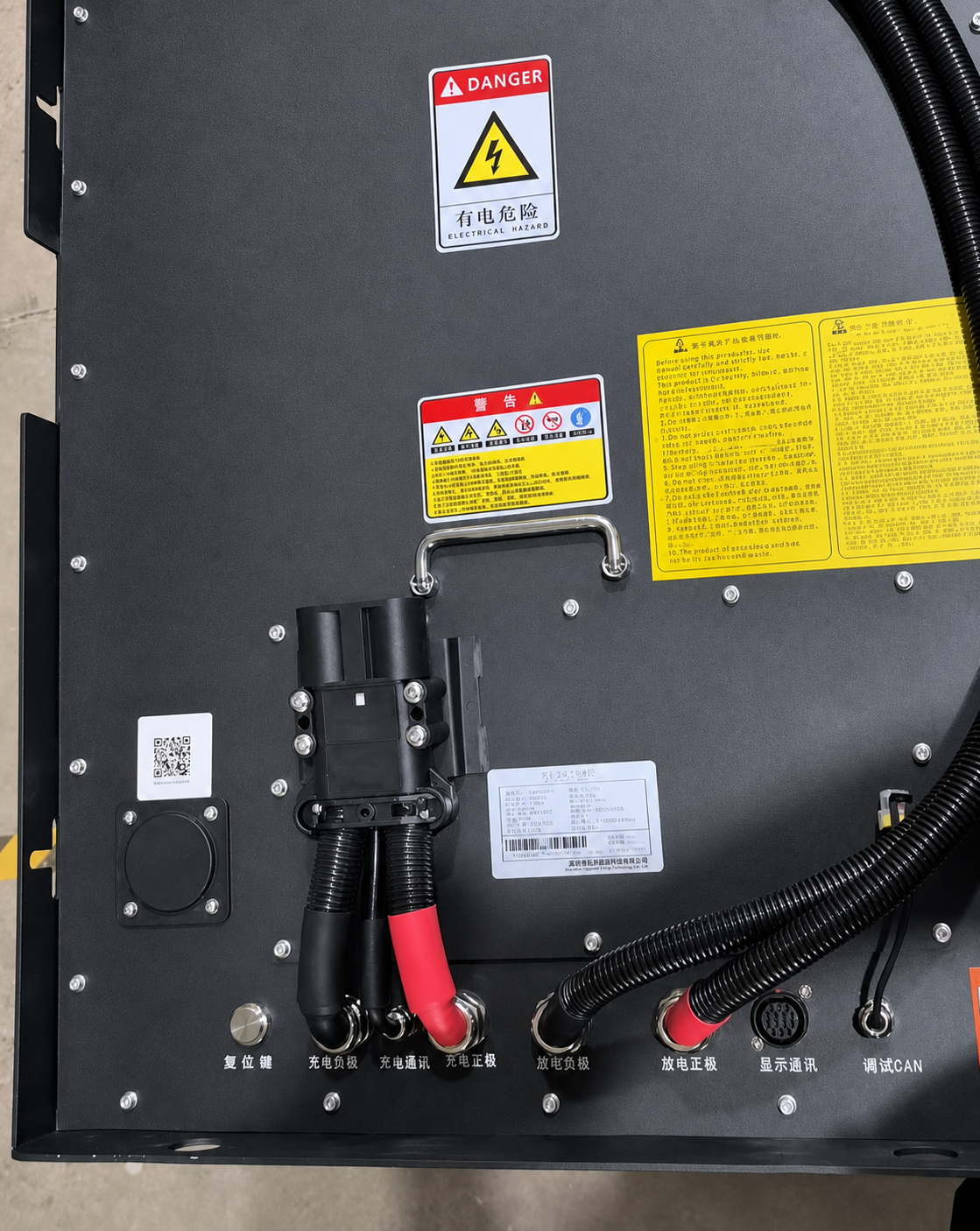
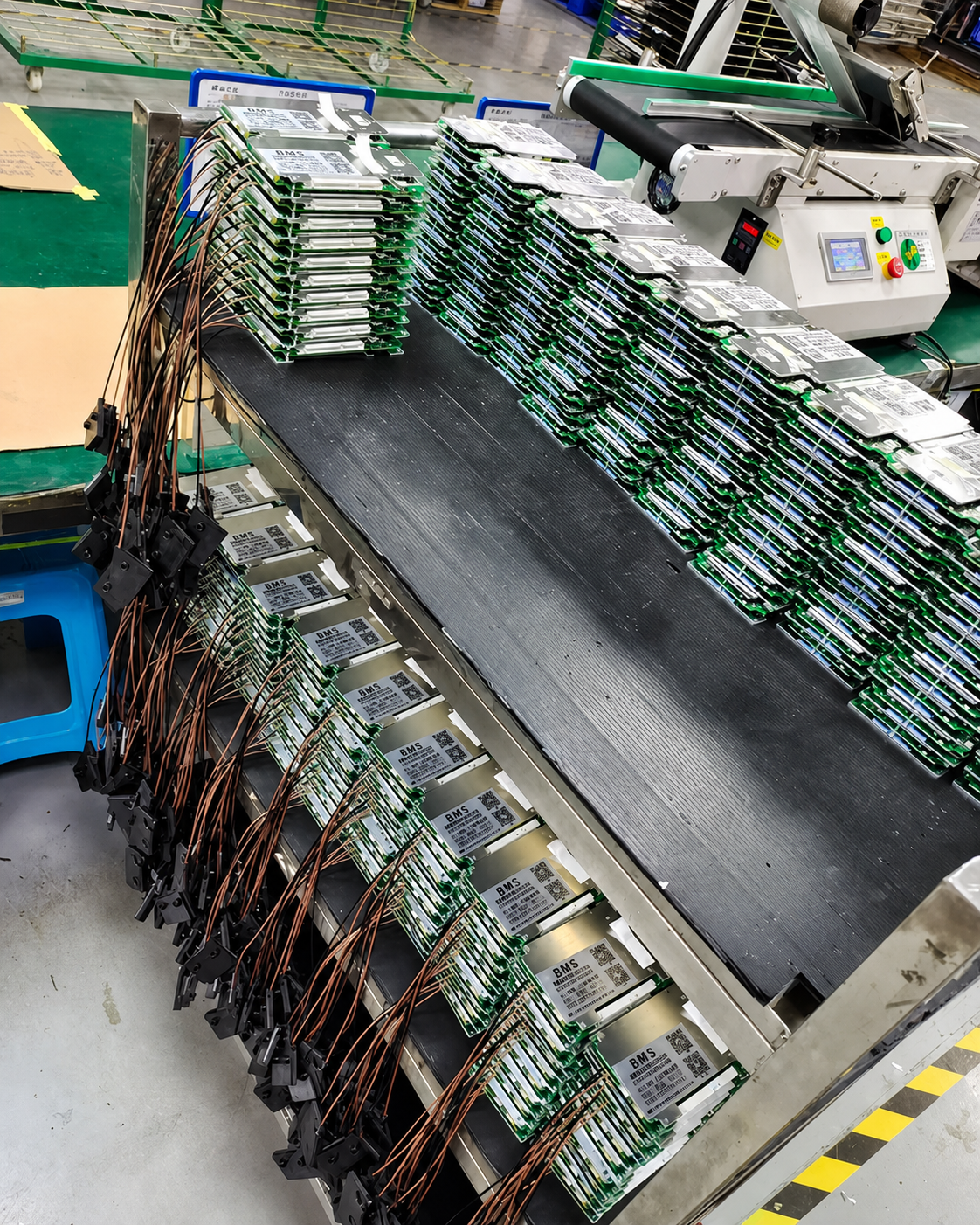
Images show application or product references for discussion and are not customer case studies or performance claims.
Quick answer
Do not select a LiFePO4 pack from voltage and Ah alone. Continuous current, peak current duration, low-temperature charging, communications, enclosure and charger compatibility determine whether the pack will work safely in the equipment.
What can be customized?
| Nominal voltage | 12V, 24V, 36V, 48V or project-specific series configuration |
|---|---|
| Capacity | Application-sized Ah, including 100Ah and 200Ah enquiries |
| BMS | Over/under-voltage, over-current, short-circuit and temperature protection as required |
| Communications | Optional CAN, RS485, SOC reporting or project protocol review |
| Enclosure | Metal or polymer concept based on mounting and environment |
| Charging | Compatible charger, inverter/charger or DC charging profile to be confirmed |
Typical applications
- Marine house banks
- RV auxiliary power
- Golf carts
- AGV and AMR systems
- Solar storage
- Industrial backup and mobile equipment
Engineering considerations
- Calculate Wh or kWh from the required runtime and realistic load.
- Confirm surge loads such as motors, pumps and inverters.
- Protect charging below the allowed cell temperature.
- Coordinate BMS limits with charger, inverter and controller settings.
- Plan testing and documentation around the destination market.
From requirement to production
Define
Confirm application, load, runtime, environment, interfaces and target quantity.
Configure
Evaluate chemistry, series-parallel layout, BMS, enclosure, connections and charging.
Prototype
Review drawings and prototype behavior against representative loads and temperatures.
Validate
Agree the tests, documentation and destination-market requirements for the finished design.
Scale
Freeze the approved configuration, quality checks and production information.
Related custom battery solutions
What to send for a quotation
Send the information below so the application can be reviewed as a complete electrical and mechanical system:
- Application and equipment model
- Nominal voltage
- Required capacity, energy or runtime
- Continuous and peak current
- Maximum dimensions and weight
- Operating and storage temperature
- BMS communication or display needs
- Charging source or charger model
- Ingress, vibration and mounting requirements
- Estimated quantity
- Destination market and required standards
Email s18301170098@gmail.com WhatsApp +86 19833770783
Testing, certification, lead time and final performance depend on the approved design and project requirements; confirm them during engineering review.
Frequently asked questions
What is the difference between 12V, 24V and 48V LiFePO4 packs?
Higher system voltage can reduce current for the same power, which may reduce cable size and losses. The correct voltage must match the equipment, charger and inverter architecture.
How is LiFePO4 battery capacity selected?
Capacity is based on required energy and runtime, expected usable depth of discharge, temperature, aging margin and peak-load behavior rather than Ah alone.
Does a custom LiFePO4 pack include a BMS?
The BMS is normally defined as part of the pack architecture. Protection thresholds, current rating, balancing, telemetry and communications should match the application.
What does UN38.3 mean for a battery project?
UN38.3 is associated with lithium battery transport testing. The exact documentation and shipping configuration required should be confirmed for the finished design and destination.
Send an engineering project brief
These fields help the engineering team review electrical, mechanical, environmental and compliance requirements before quotation.
WhatsApp +86 19833770783 · s18301170098@gmail.com
The form opens your email application; project information is not stored on this website.