Complete Product Guide – Cost, Types & Benefits
Solar panels, also known as solar power panels, are revolutionary devices that harness solar energy and convert it into usable power, offering a clean, sustainable solution for both residential and commercial energy needs. Whether you’re looking for home solar panels, roof solar panels, house solar panels, or the best solar panels on the market, this guide covers everything you need to know, from what solar panels do to their cost and even used solar panel options.
What Do Solar Panels Do?
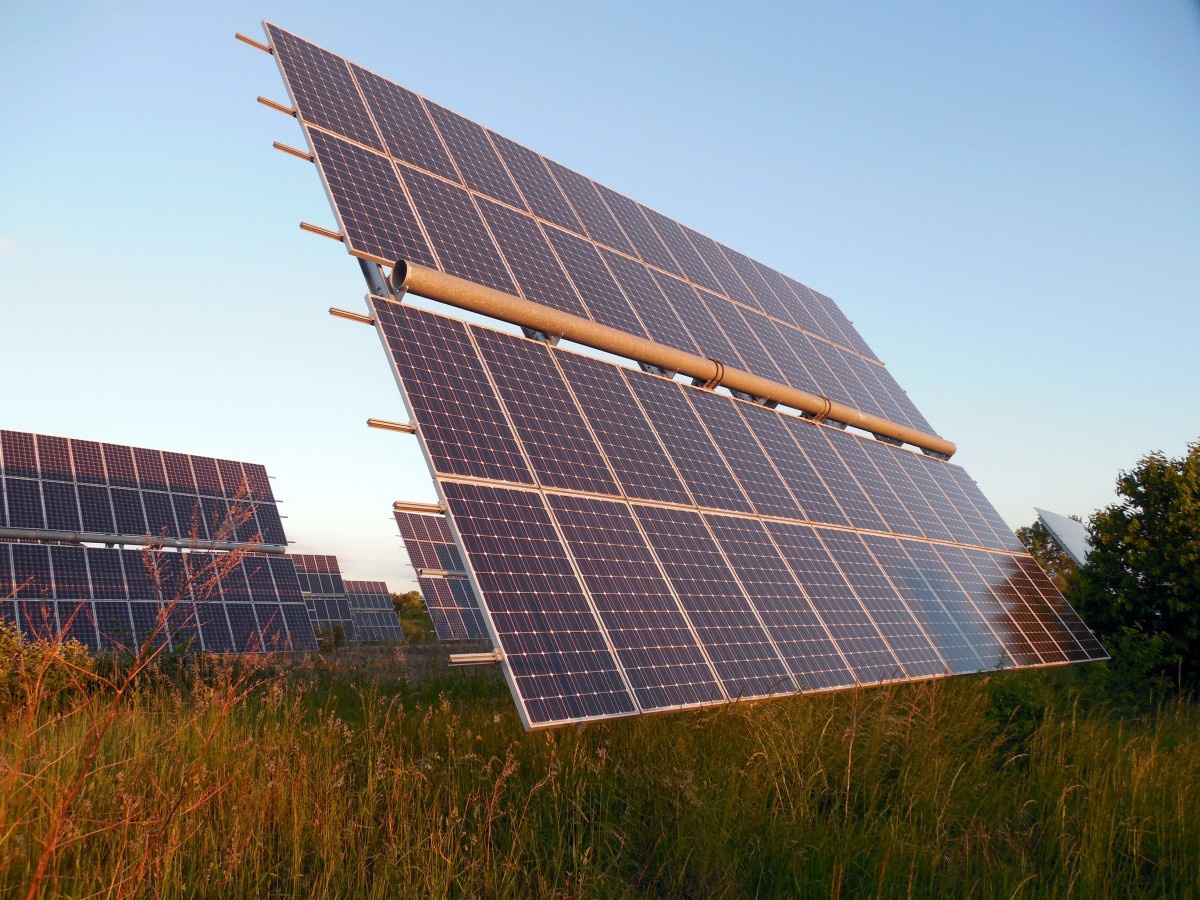
At their core, solar panels capture sunlight and convert it into electricity through the photovoltaic (PV) effect. Each panel consists of interconnected PV cells that absorb photons from the sun, freeing electrons and generating direct current (DC) electricity. This DC power is then converted to alternating current (AC) via an inverter, an essential part of any solar system, making it compatible with your home or business’s electrical system. Solar panels work silently, require minimal maintenance, and produce zero emissions during operation, making them an eco-friendly alternative to traditional fossil fuels.
Types of Solar Panels: Find the Best Fit for Your Needs
When searching for the best solar panels, it’s important to understand the different types available, each tailored to specific uses and budgets:
1. Home Solar Panels & House Solar Panels
Home solar panels (also called house solar panels or solar panels for home) are designed to meet the energy needs of residential properties. These panels are typically mounted on rooftops to maximize sunlight exposure, though ground-mount options are also available. The best solar panels for home use balance efficiency, durability, and cost, ensuring long-term savings on electricity bills. Most residential systems range from 5kW to 10kW, with the number of panels depending on your home’s energy consumption.
2. Roof Solar Panels
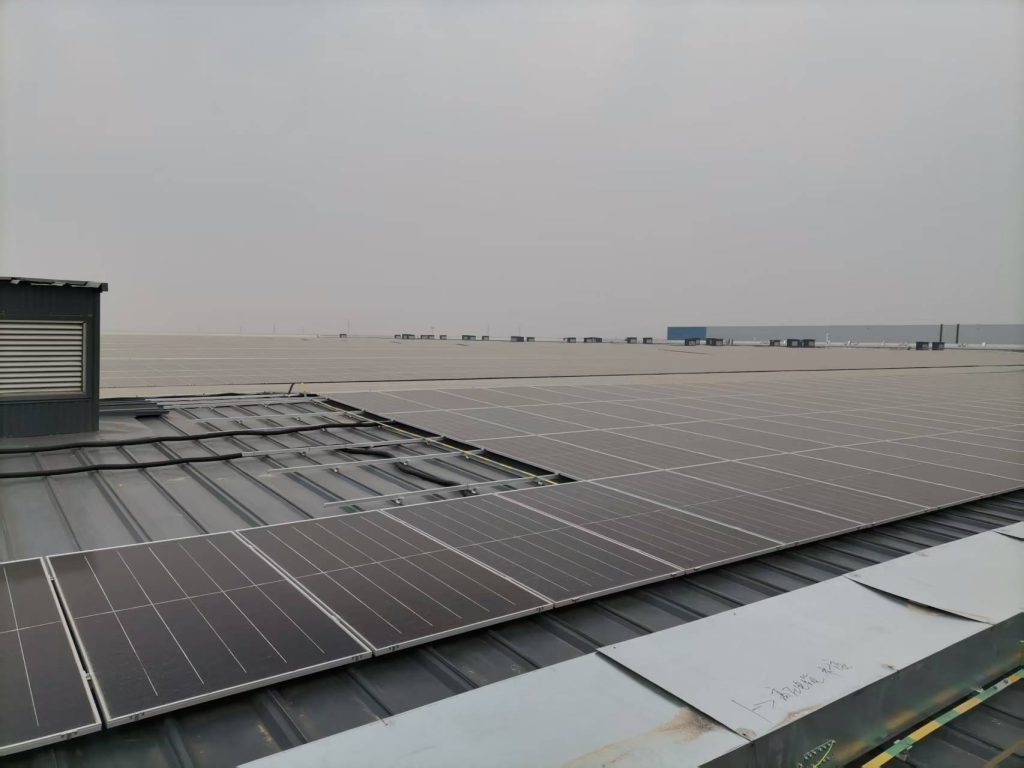
Roof solar panels are the most popular choice for homeowners, as they utilize unused rooftop space to generate power without taking up additional land. The ideal roof for solar panels has south, southwest, or southeast exposure, minimal shade, and at least 200-400 square feet of clear space. Roof solar panels are easy to install, blend seamlessly with most home designs, and can increase your property’s resale value.
3. Best Solar Panels
The best solar panels are determined by efficiency, lifespan, warranty, and value. Top options include monocrystalline solar panels (15-22% efficiency, sleek design, ideal for limited rooftop space) and polycrystalline solar panels (13-16% efficiency, more affordable, great for large-scale installations). High-efficiency brands like SunPower Maxeon 7, Jinko Solar, and Q Cells are consistently ranked among the best for their performance and reliability.
4. Used Solar Panels
Used solar panels are a budget-friendly alternative to new panels, costing $0.05-$0.60 per watt compared to $2-$3 per watt for new panels. While they have a shorter lifespan (under 20 years vs. 25+ years for new panels) and may lack warranties, used panels are perfect for off-grid cabins, sheds, or DIY projects. It’s important to inspect used panels carefully to ensure they’re in good condition and free of damage.
5. Solar System
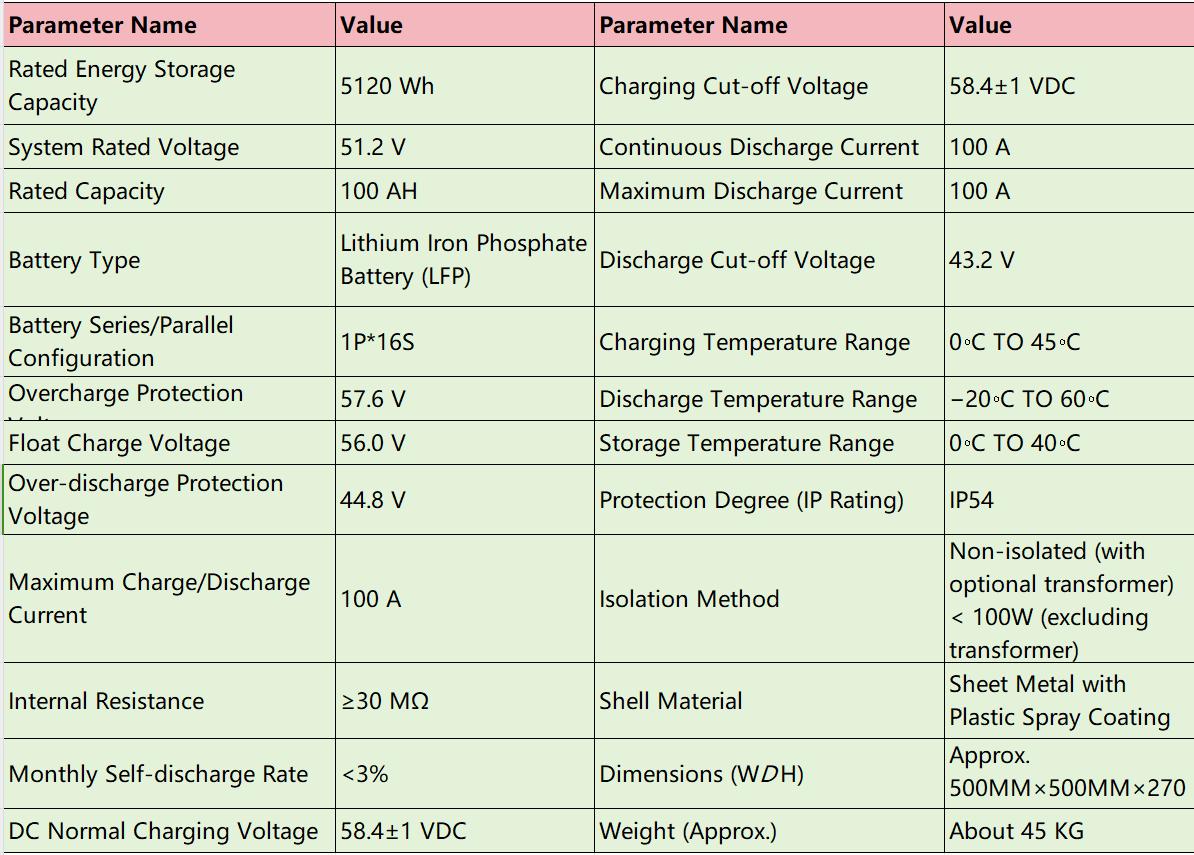
A complete solar system includes more than just panels. Key components include inverters (to convert DC to AC power), mounting rails (to secure panels to your roof), wiring, a net meter (to track energy sent to the grid), and optional batteries (to store excess energy). The size of your system depends on your energy needs, with larger homes requiring 10kW systems or more.
Solar Panels Cost & Price: What You Need to Know
One of the most common questions homeowners ask is: How much do solar panels cost? The cost varies based on system size, panel type, installation complexity, and location. Below is a breakdown of costs:
Average Solar Panels Cost
The average cost (including installation) ranges from $15,000 to $50,000 for residential systems, with the average cost per watt between $3 and $5. For small DIY projects, individual panels cost around $5,000-$20,000.
Solar Panels for Home Cost
Costs vary by system size: a 5kW system costs approximately $5,000-$15,000, while a 10kW system costs $30,000. Keep in mind that solar storage batteries can add $7,000-$18,000 to your total cost.
Cost for Solar Panels: Financing Options
Many homeowners choose to finance their panels, with options like loans and leases allowing for $0 down. Monthly payments typically range from $100-$300 for loans and $150-$250 for leases. Over 25 years, homeowners can save roughly $41,000-$62,000 on electricity costs, offsetting the initial investment.
Cost Factors
Several factors impact the cost, including home energy needs, roof characteristics (size, angle, condition), local labor rates, equipment choices (panel type, inverter), and local incentives. While the federal 30% solar tax credit has expired, many states offer local incentives to reduce costs.
Why Choose Solar Panels? Benefits of Solar Energy
Investing in solar panels offers numerous benefits:
Lower Electricity Bills: Panels generate free electricity, reducing your utility bills by 40-90%. Clean, Sustainable Energy: Solar energy is renewable and produces zero greenhouse gas emissions, helping you reduce your carbon footprint. Energy Independence: Reduce reliance on fossil fuels and protect yourself from rising utility rates. Increased Home Value: Homes with solar panels sell faster and at a higher price than those without. Low Maintenance: Panels require minimal upkeep, with most manufacturers offering 25-year performance warranties.
Final Thoughts: Choose the Right Solar Panels for You
Whether you’re looking for home panels, roof panels, the best panels, or affordable used panels, understanding their cost, function, and system setup is key to making an informed decision. Solar energy is a smart, sustainable investment that saves you money, protects the environment, and provides long-term energy security. If you’re ready to switch to solar power, start by assessing your home’s energy needs, researching the best panels for your budget, and exploring financing options. With the right system, you’ll enjoy clean, free energy for decades to come.]