Solar Surface Water Pump

A solar surface water pump system is an intelligent, photovoltaic-powered solution designed for pumping, transferring, and irrigating surface water. Unlike submersible or deep well pumps that operate completely submerged in water, surface pumps are installed on a fixed platform on or above the ground. They draw water from lower-level sources—such as ponds, rivers, storage tanks, and shallow wells—via a suction pipe and deliver it to higher or more distant discharge points.By eliminating reliance on traditional grid electricity or diesel generators, this system delivers exceptional economic benefits and practicality for sun-drenched agricultural irrigation, livestock water supply, and surface water management.

Core System Components

A standard solar surface water pump system primarily consists of the following components:

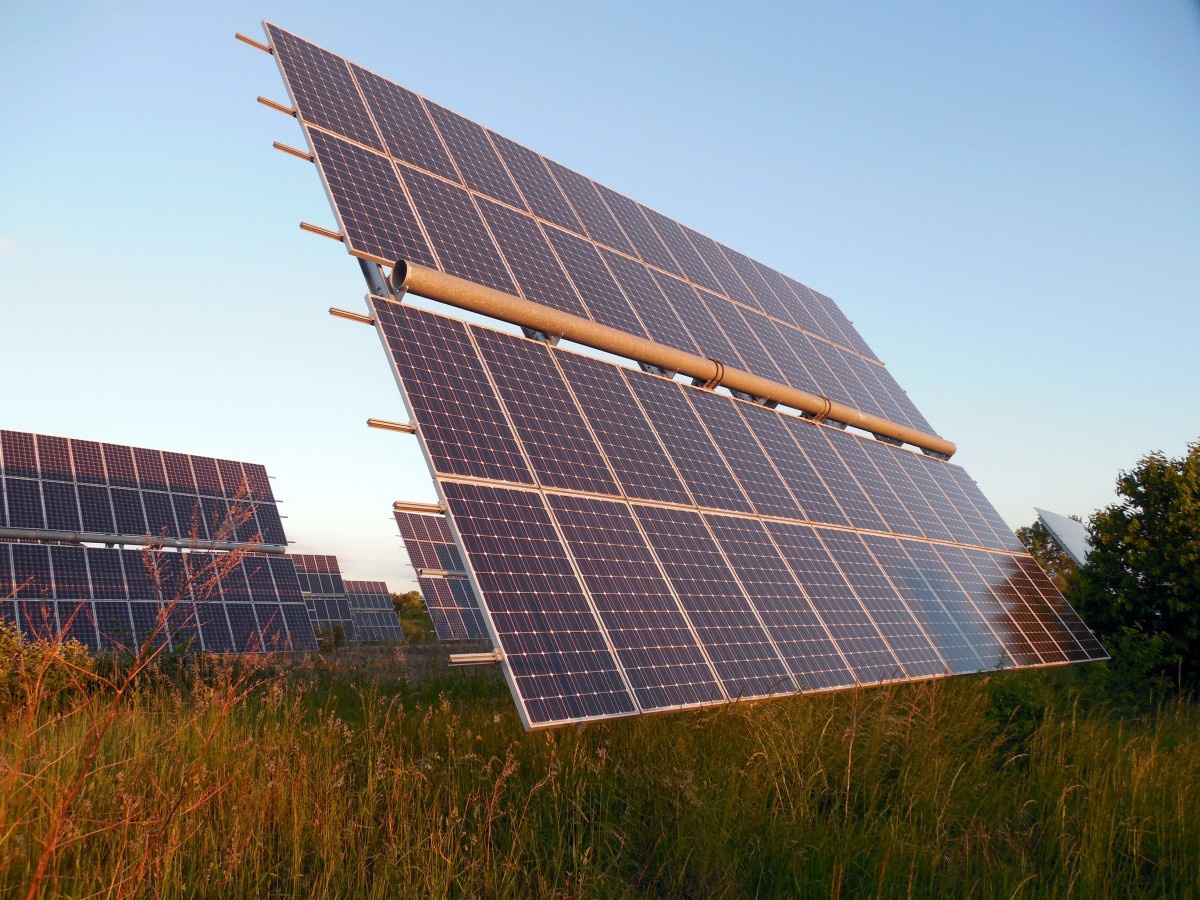
  • PV Array (Solar Panels): Converts sunlight into direct current (DC) electricity. Depending on the pump motor type, the solar panels are configured in series and parallel to meet the system’s voltage and power requirements.

  • Solar Controller / Inverter: The control hub of the system.

    • DC Systems: Utilize a DC controller with built-in MPPT (Maximum Power Point Tracking) to optimize solar output, ensuring stable pump operation under varying light conditions.

    • AC Systems: Utilize a solar pump inverter to convert DC power into alternating current (AC) to drive standard AC pumps. These frequently support seamless integration with the grid or a generator for multi-power hybridization.

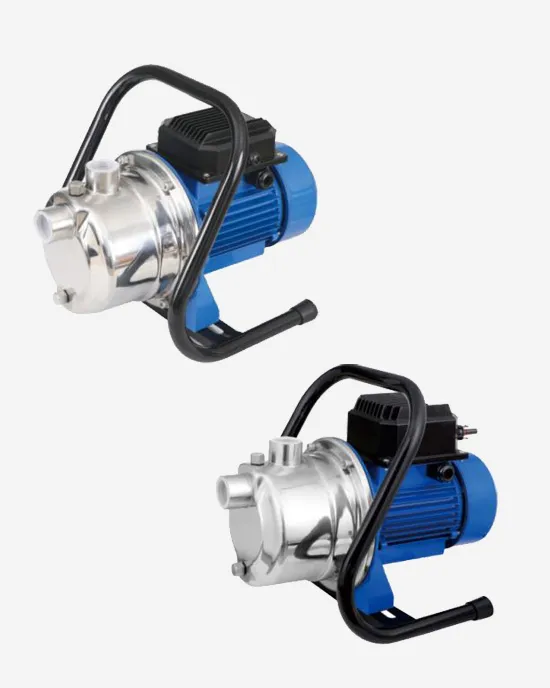
  • Surface Water Pump: The main pump unit installed above ground. Depending on the application requirements, common types include:

    • Centrifugal Pump: Offers high flow rates, making it ideal for large-scale irrigation or short-distance water transfer on flat terrain.

    • Self-Priming Pump: Features strong self-priming capability. Once the pump body is filled with water initially, it automatically evacuates air from the suction pipe, making it ideal for sources with fluctuating water levels.

    • Multi-stage Pump: Capable of generating high pressure, making it suitable for high-head, long-distance water transfer or pushing water uphill in mountainous areas.


Key Advantages

  • Extremely Convenient Installation & Maintenance: Since all equipment (pump, controller, valves) is installed above ground, there is no need for deep well deployment or diving. Inspection, cleaning, repairs, and routine maintenance are simplified, requiring no heavy lifting equipment.

  • High Efficiency & Zero Operating Costs: Operating entirely on free solar energy, the system eliminates ongoing electricity bills and diesel procurement costs. Users typically recover their initial investment within 2 to 3 years through energy savings.

  • Smart Automated Operation: The system features light-controlled automatic start and stop functions. It automatically starts pumping when sunlight is sufficient during the day and triggers automatic shutdown protection via sensors when the storage tank is full or the water source runs dry, requiring zero manual intervention.

  • High Reliability & Safety: The controller integrates comprehensive protection mechanisms, including overload, overvoltage, undervoltage, and dry-run (dry suction) protection. For DC systems, low-voltage operation provides excellent electrical safety.

Surface Pumps vs. Submersible Pumps

FeatureSolar Surface PumpSolar Submersible / Deep Well Pump
Installation LocationOn the ground, riverbank, or floating platform (dry environment)Completely submerged under water, inside boreholes, or deep wells
Applicable Water SourcesRivers, lakes, ponds, storage tanks, shallow wells (suction lift typically $\le 7-8\text{m}$)Deep wells, deep underground aquifers, deep reservoirs
Installation & MaintenanceExtremely convenient; fully visible and easy to serviceMore complex; requires pulling the pump out of the water or lifting it from a well
Main LimitationStructurally limited by the maximum self-priming height (suction lift)Unlimited by suction lift as long as the total head is sufficient, but more sensitive to water silt content
Environmental AdaptationRequires protection against freezing in winter, rain, and intense sun exposureOperates underwater; takes up no surface space and experiences less weather-related wear

Primary Applications

  • Surface Water Agricultural Irrigation: Draws water from irrigation canals, ponds, or rivers adjacent to farmland to supply drip or sprinkler irrigation systems for orchards, greenhouses, and fields.

  • Secondary Lifting for Reservoirs & Water Towers: Pressurizes and lifts water collected in low-level reservoirs or rainwater harvesting systems to elevated water towers, hilltop storage tanks, or distant locations.

  • Livestock Watering in Pastures: Draws water from shallow surface sources to establish automated drinking stations for cattle and sheep in off-grid grasslands or hills.

  • Landscape Water Circulation & Purification: Used for water circulation and aeration in park lakes and fish ponds, or paired with filtration systems for surface water purification.