
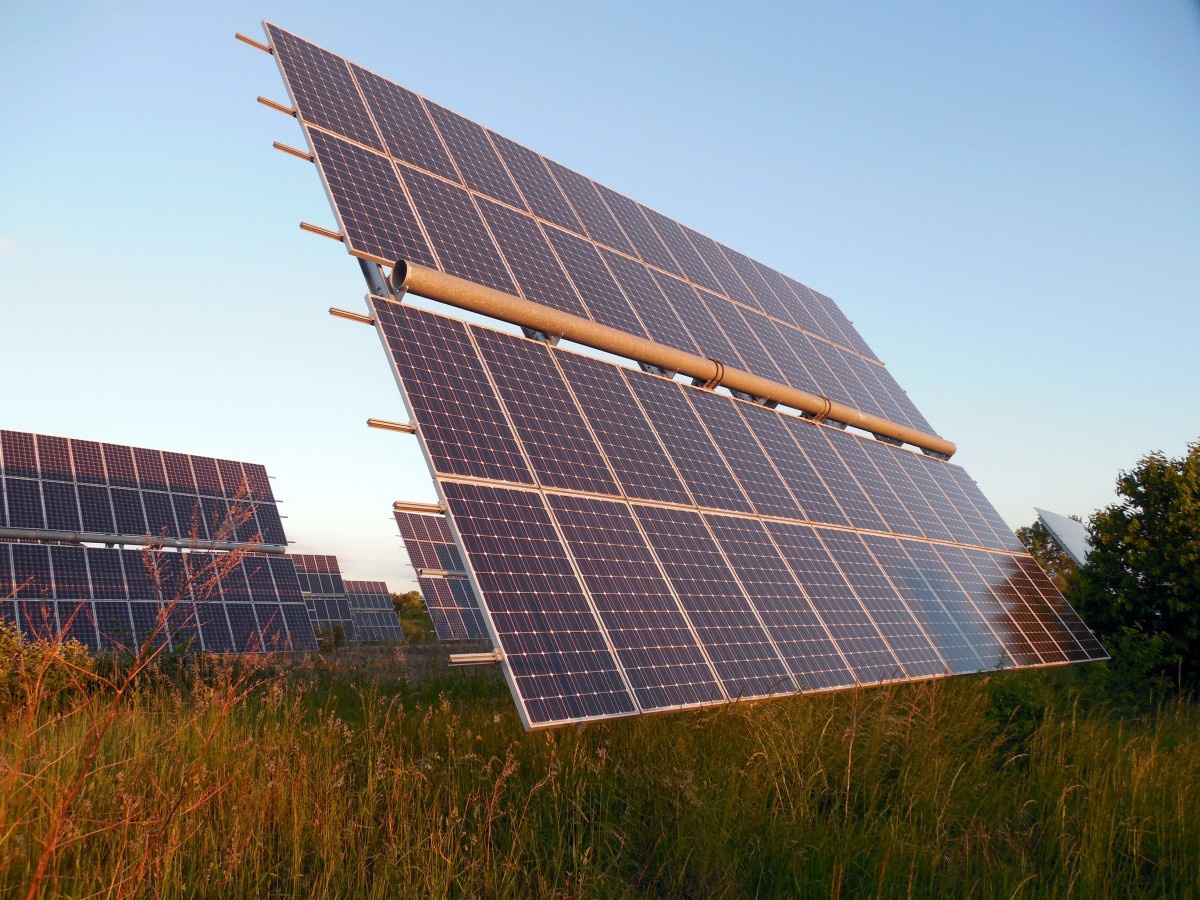
Application-engineered battery solutions
An RV or camper battery should be sized from appliance energy use, inverter surge, travel and camping patterns, charging sources and the available battery compartment. Customization can coordinate the LiFePO4 pack, BMS, heating strategy, enclosure, connections and system communications.
Application and product references
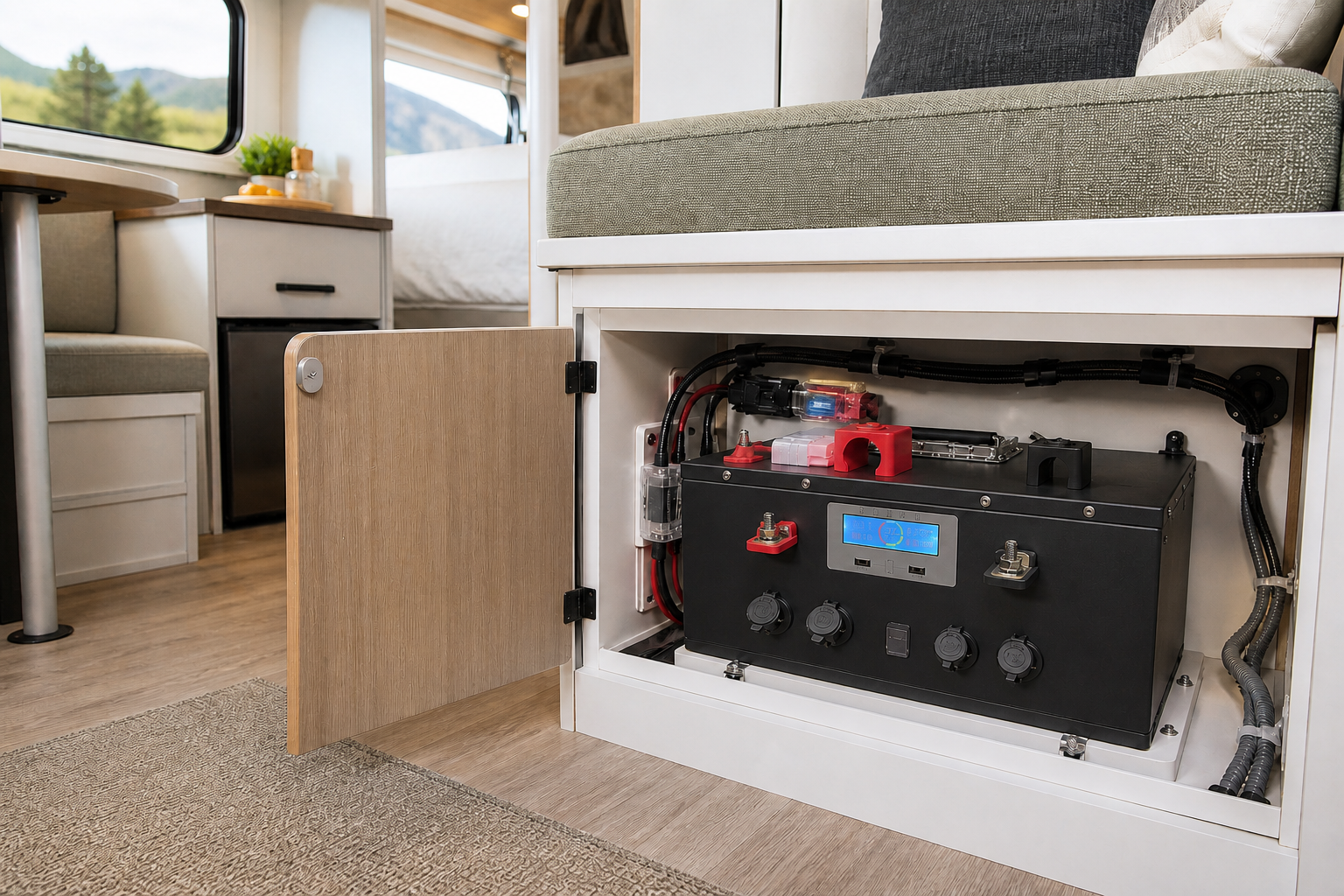
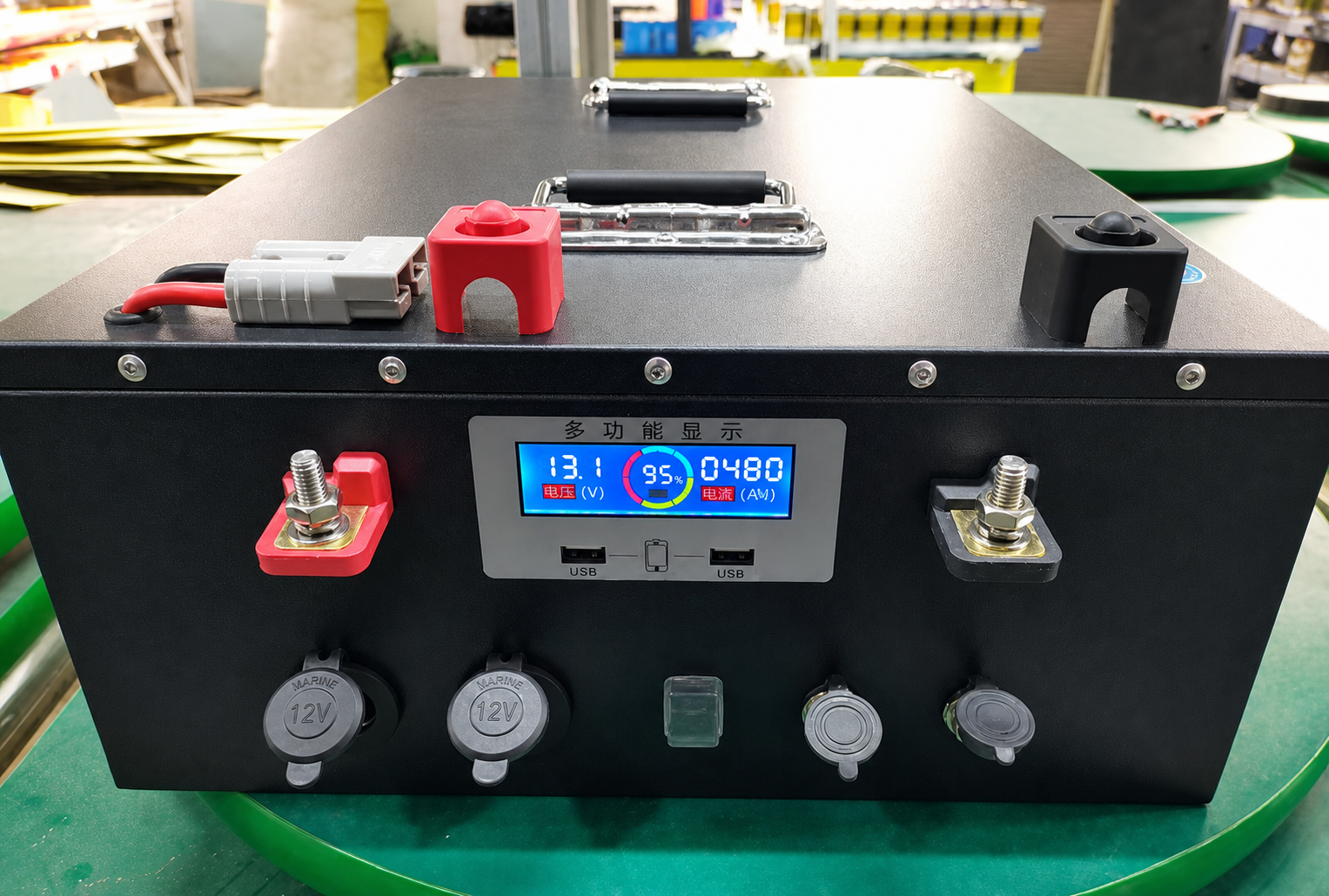
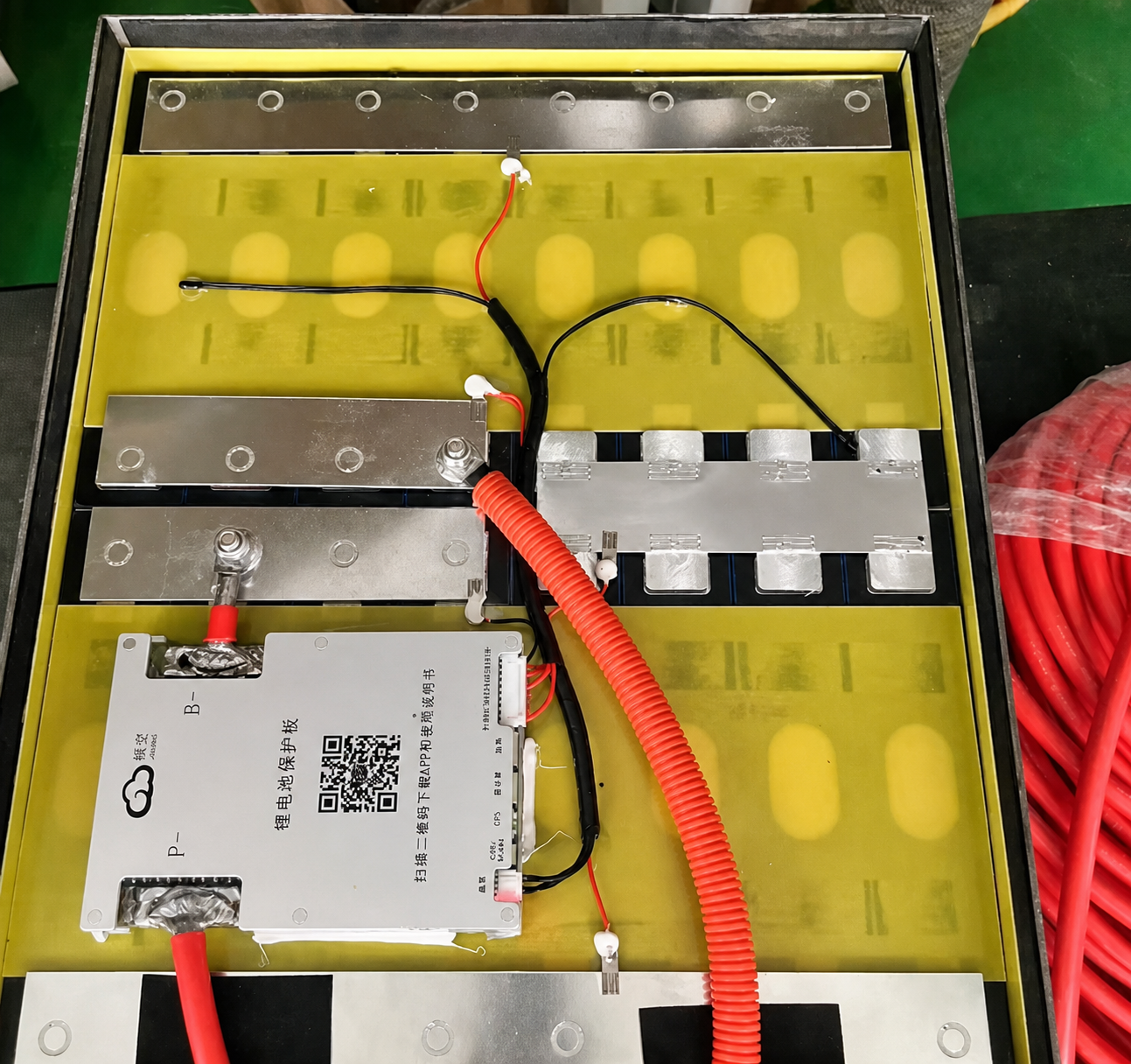
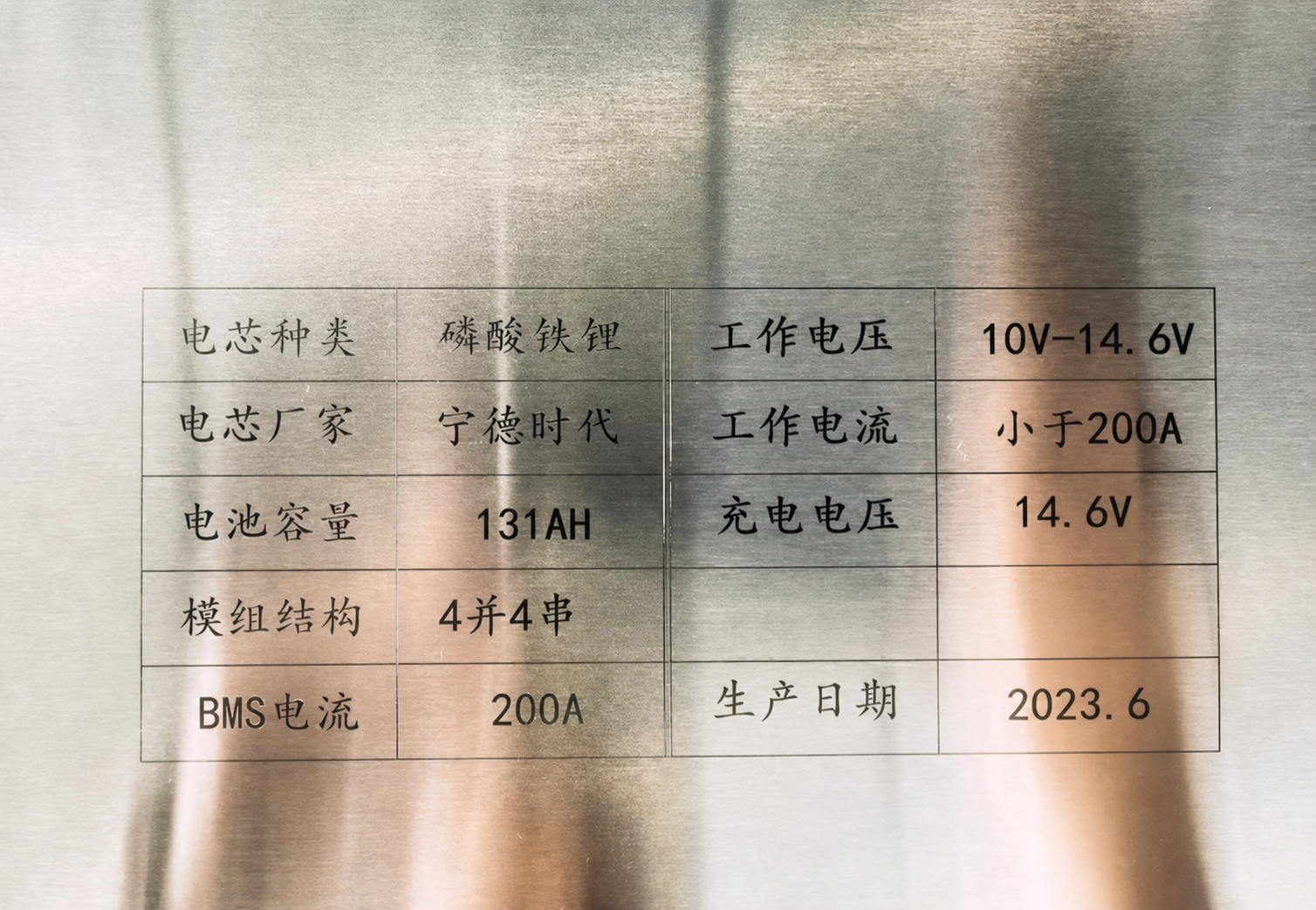
Images show application or product references for discussion and are not customer case studies or performance claims.
Quick answer
For RV battery selection, list daily appliance use, inverter wattage, alternator/DC-DC charger, solar array and controller, shore charger, compartment dimensions, lowest expected temperature and desired off-grid runtime.
What can be customized?
| System voltage | Common 12V or 24V auxiliary systems; other configurations by project |
|---|---|
| Capacity | Sized from off-grid runtime and charging availability |
| Load support | Continuous and surge current coordinated with the inverter and appliances |
| Charging | Solar, shore and alternator/DC-DC compatibility review |
| Cold weather | Charge inhibition or heating strategy where required |
| Packaging | Under-seat, compartment or external-box constraints to be evaluated |
Typical applications
- Motorhomes
- Caravans
- Camper vans
- Expedition vehicles
- Mobile workshops
- Food and service vehicles
Engineering considerations
- Separate starter-battery and house-battery requirements.
- Check alternator protection and DC-DC charging behavior.
- Include inverter surge and high-power appliance use.
- Provide ventilation and service access even for sealed concepts.
- Confirm low-temperature charging controls before winter use.
From requirement to production
Define
Confirm application, load, runtime, environment, interfaces and target quantity.
Configure
Evaluate chemistry, series-parallel layout, BMS, enclosure, connections and charging.
Prototype
Review drawings and prototype behavior against representative loads and temperatures.
Validate
Agree the tests, documentation and destination-market requirements for the finished design.
Scale
Freeze the approved configuration, quality checks and production information.
Related custom battery solutions
What to send for a quotation
Send the information below so the application can be reviewed as a complete electrical and mechanical system:
- Application and equipment model
- Nominal voltage
- Required capacity, energy or runtime
- Continuous and peak current
- Maximum dimensions and weight
- Operating and storage temperature
- BMS communication or display needs
- Charging source or charger model
- Ingress, vibration and mounting requirements
- Estimated quantity
- Destination market and required standards
Email s18301170098@gmail.com WhatsApp +86 19833770783
Testing, certification, lead time and final performance depend on the approved design and project requirements; confirm them during engineering review.
Frequently asked questions
How many Ah does an RV lithium battery need?
Add daily Wh consumption, desired off-grid days and reserve margin, then account for inverter losses and expected solar or alternator charging.
Can an existing RV charger charge LiFePO4?
Only if its voltage profile and control behavior are suitable for the selected pack and BMS. The exact charger model should be reviewed.
Can an RV battery be used below freezing?
Discharge and charge temperature limits are different. Charging at low cell temperature may require charge blocking or an integrated heating strategy.
Is 12V or 24V better for an RV?
That depends on inverter power, cable lengths and existing equipment. Higher voltage can reduce current, but compatibility and conversion needs must be considered.
Send an engineering project brief
These fields help the engineering team review electrical, mechanical, environmental and compliance requirements before quotation.
WhatsApp +86 19833770783 · s18301170098@gmail.com
The form opens your email application; project information is not stored on this website.