
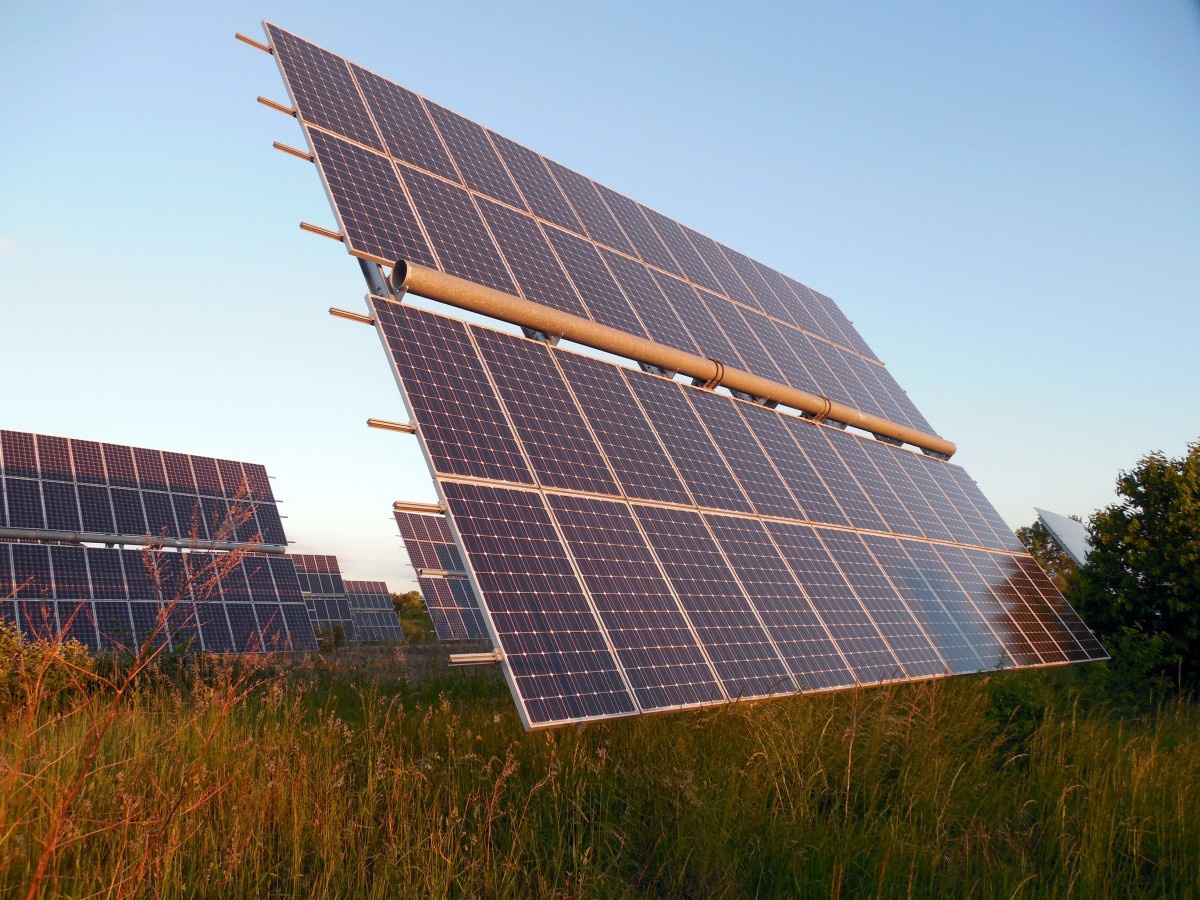
Application-engineered battery solutions
Cold-weather battery performance depends on cell chemistry, current, state of charge, insulation, heating, enclosure and the difference between charging and discharging limits. A custom pack can coordinate these factors with the equipment and charging strategy.
Application and product references
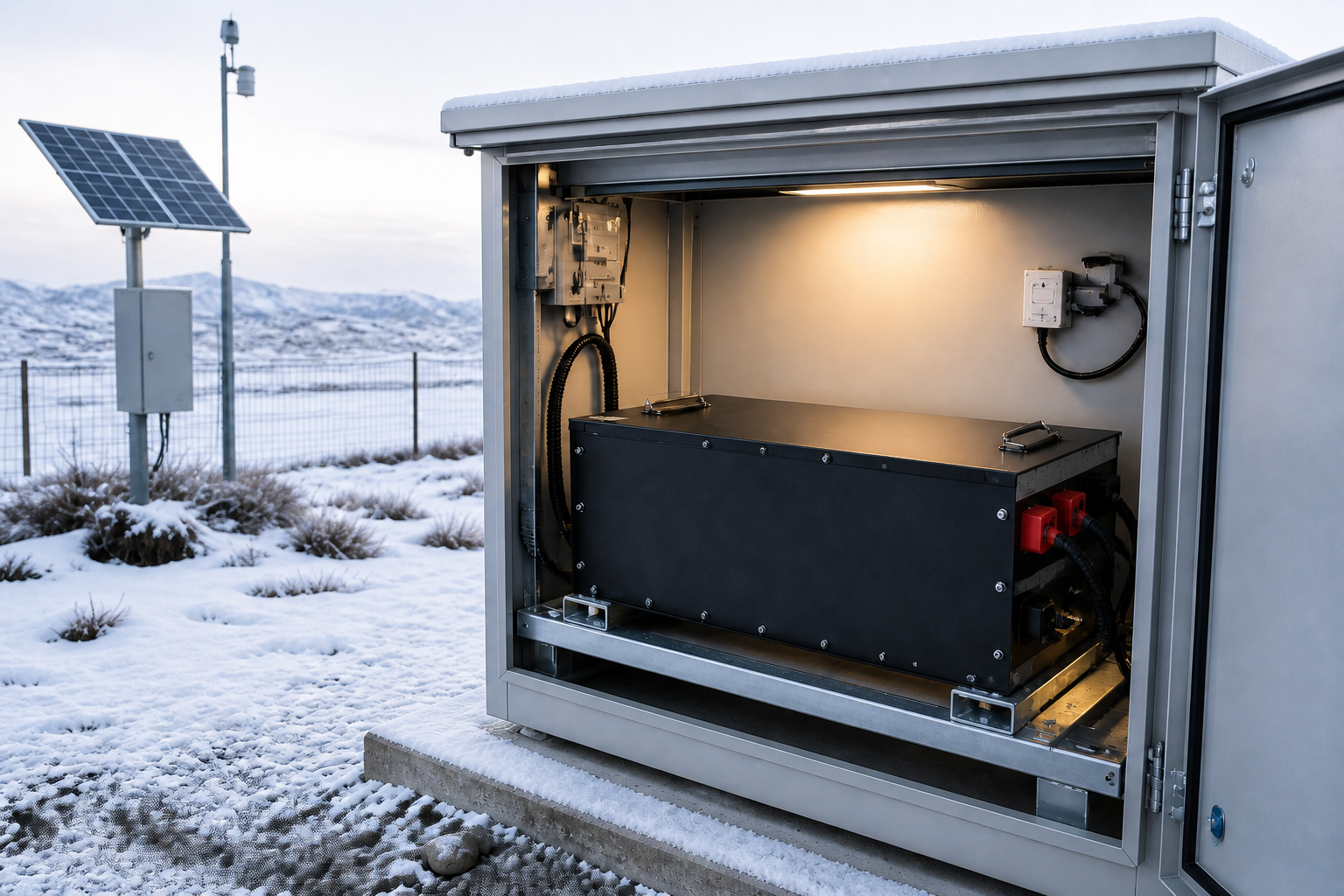
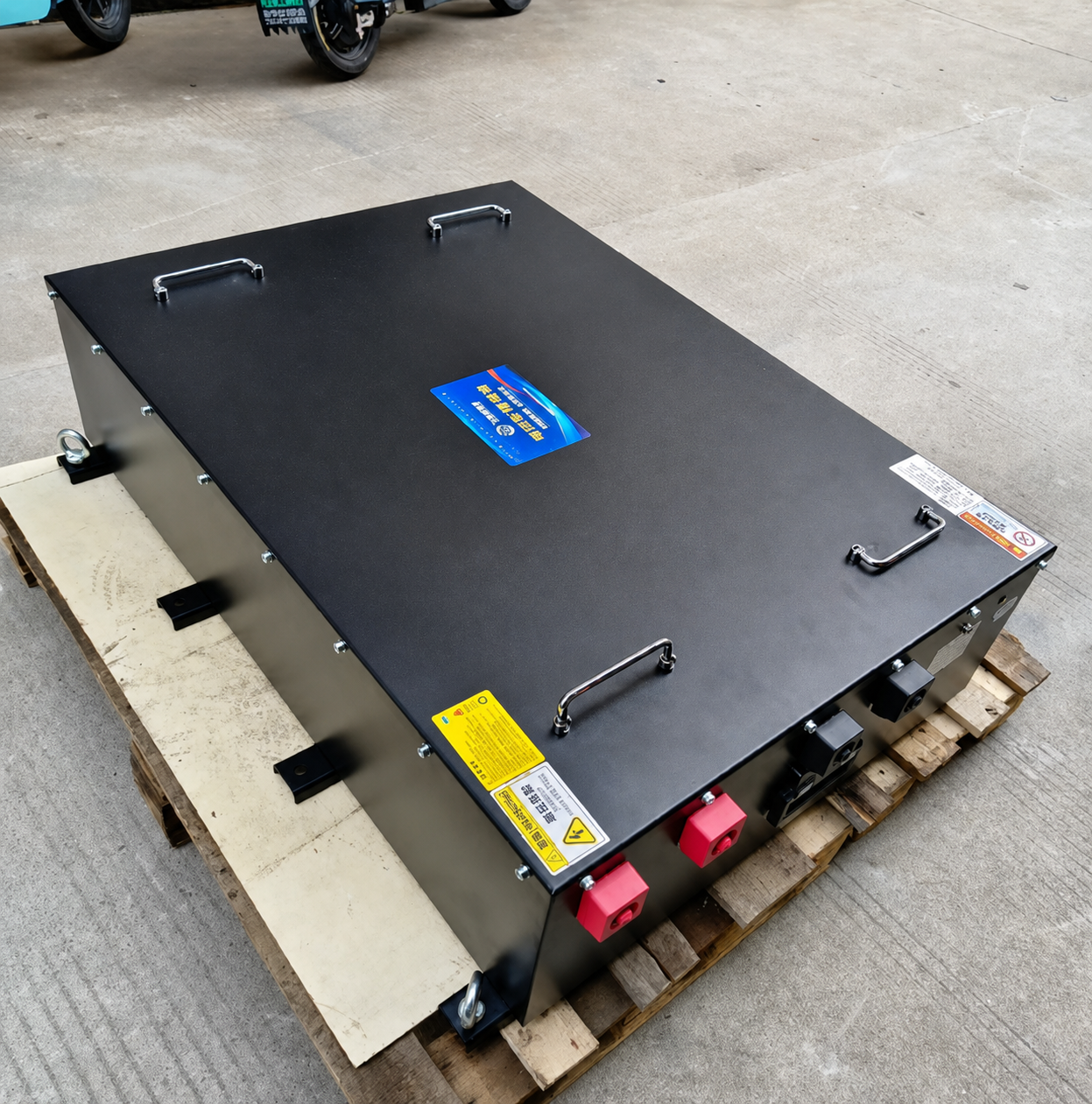
Images show application or product references for discussion and are not customer case studies or performance claims.
Quick answer
Specify both the minimum ambient temperature and the minimum expected cell temperature. Also provide load current, charge source, cold-soak duration, warm-up time, available heater power and whether the equipment must start immediately after storage.
What can be customized?
| Temperature profile | Minimum, maximum, storage and rate-of-change conditions |
|---|---|
| Cold-start load | Continuous and peak current at the required temperature |
| Charging control | Low-temperature charge inhibition or managed warm-up concept |
| Thermal design | Insulation, heater, sensors and control strategy as required |
| Enclosure | Condensation, ingress, mounting and cable-entry review |
| Monitoring | Cell and pack temperature reporting through the BMS |
Typical applications
- Cold-storage warehouses
- Outdoor monitoring
- Winter RV and marine use
- Remote solar systems
- AGVs in refrigerated areas
- Cold-climate industrial equipment
Engineering considerations
- Do not use ambient temperature as a substitute for cell temperature.
- Define whether charging, discharging or both must occur in the cold.
- Include heater energy in the runtime calculation.
- Plan condensation control during temperature transitions.
- Validate cold-start and recharge behavior on prototypes.
From requirement to production
Define
Confirm application, load, runtime, environment, interfaces and target quantity.
Configure
Evaluate chemistry, series-parallel layout, BMS, enclosure, connections and charging.
Prototype
Review drawings and prototype behavior against representative loads and temperatures.
Validate
Agree the tests, documentation and destination-market requirements for the finished design.
Scale
Freeze the approved configuration, quality checks and production information.
Related custom battery solutions
What to send for a quotation
Send the information below so the application can be reviewed as a complete electrical and mechanical system:
- Application and equipment model
- Nominal voltage
- Required capacity, energy or runtime
- Continuous and peak current
- Maximum dimensions and weight
- Operating and storage temperature
- BMS communication or display needs
- Charging source or charger model
- Ingress, vibration and mounting requirements
- Estimated quantity
- Destination market and required standards
Email s18301170098@gmail.com WhatsApp +86 19833770783
Testing, certification, lead time and final performance depend on the approved design and project requirements; confirm them during engineering review.
Frequently asked questions
Can LiFePO4 batteries charge below freezing?
Charging limits depend on the cells and pack design. A low-temperature project may need BMS charge blocking, preheating or another chemistry after engineering review.
Does a battery heater reduce runtime?
Yes. Heater energy comes from the battery or an external source and should be included in the energy budget and warm-up calculation.
What is cold soak?
Cold soak means the battery remains long enough in a cold environment for its internal temperature to approach ambient temperature. It can be more demanding than brief exposure.
How should a cold-weather battery be specified?
Provide temperature profile, load and charge currents, storage duration, required start time, enclosure conditions, heater power availability, communications and quantity.
Send an engineering project brief
These fields help the engineering team review electrical, mechanical, environmental and compliance requirements before quotation.
WhatsApp +86 19833770783 · s18301170098@gmail.com
The form opens your email application; project information is not stored on this website.