

Application-engineered battery solutions
EnerStorAI helps buyers define custom battery packs around the electrical load, installation space, operating environment, charging source and project quantity. The result can include a selected cell chemistry, series-parallel configuration, BMS functions, communication interface, enclosure, connectors and a compatible charging approach.
Application and product references
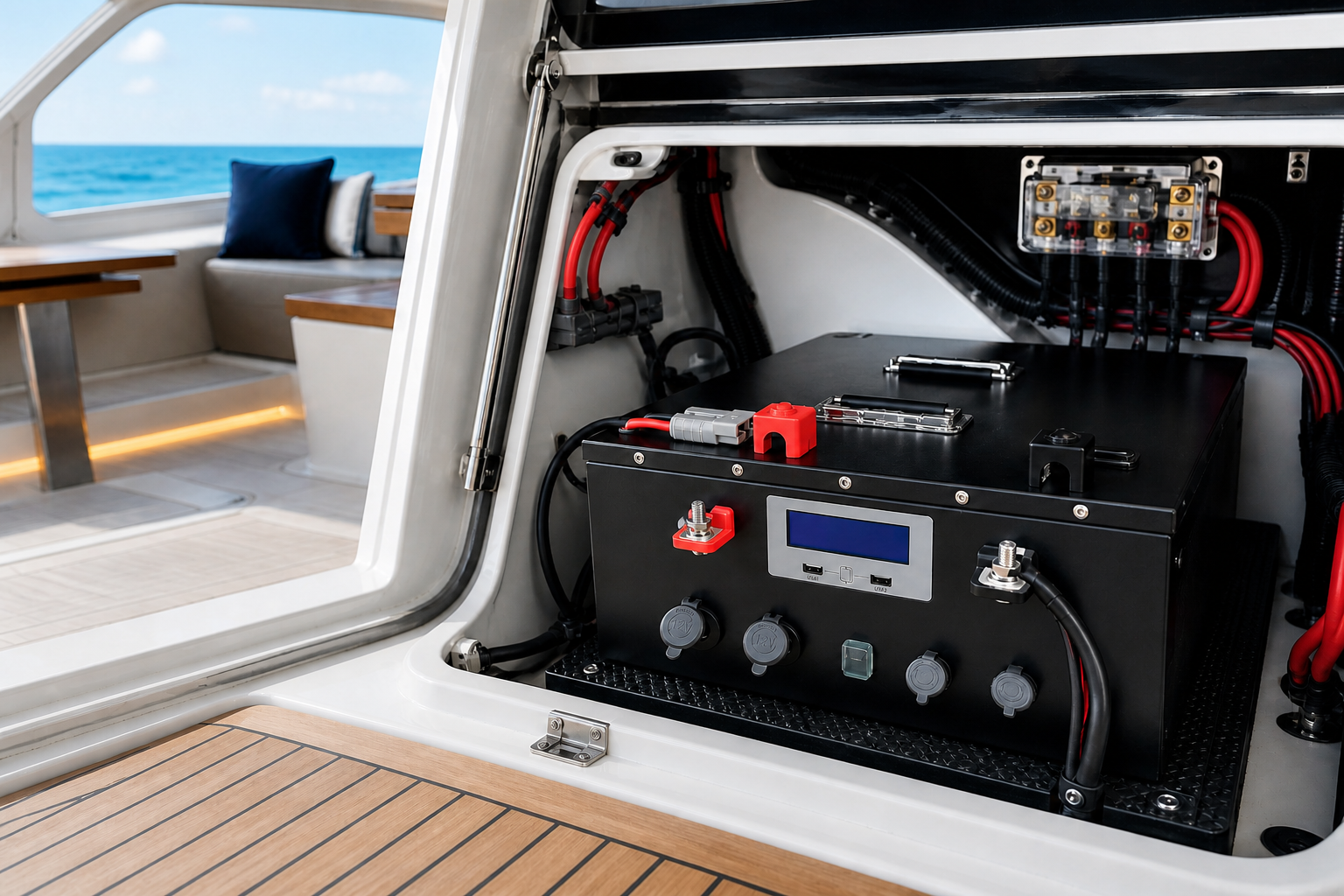
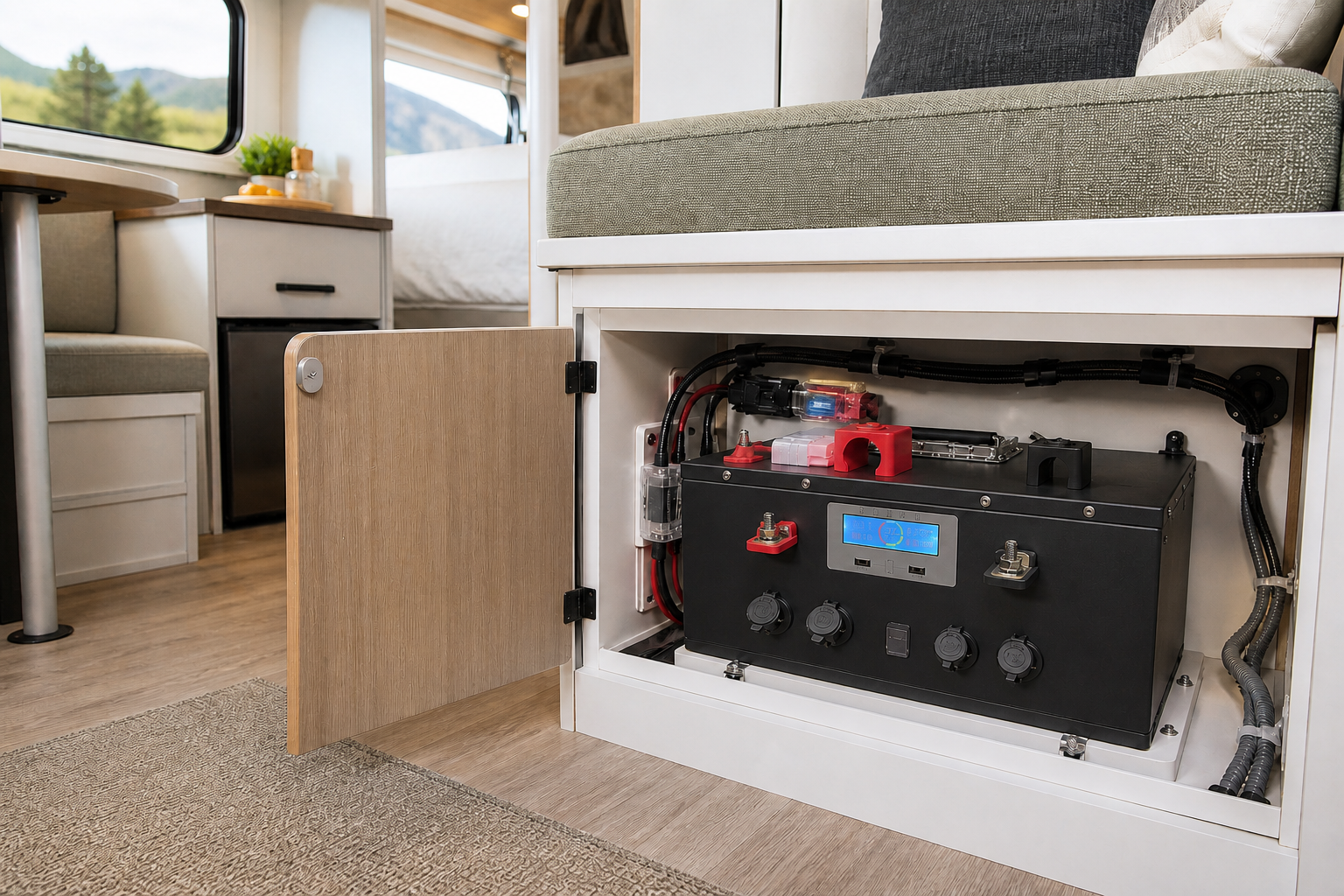
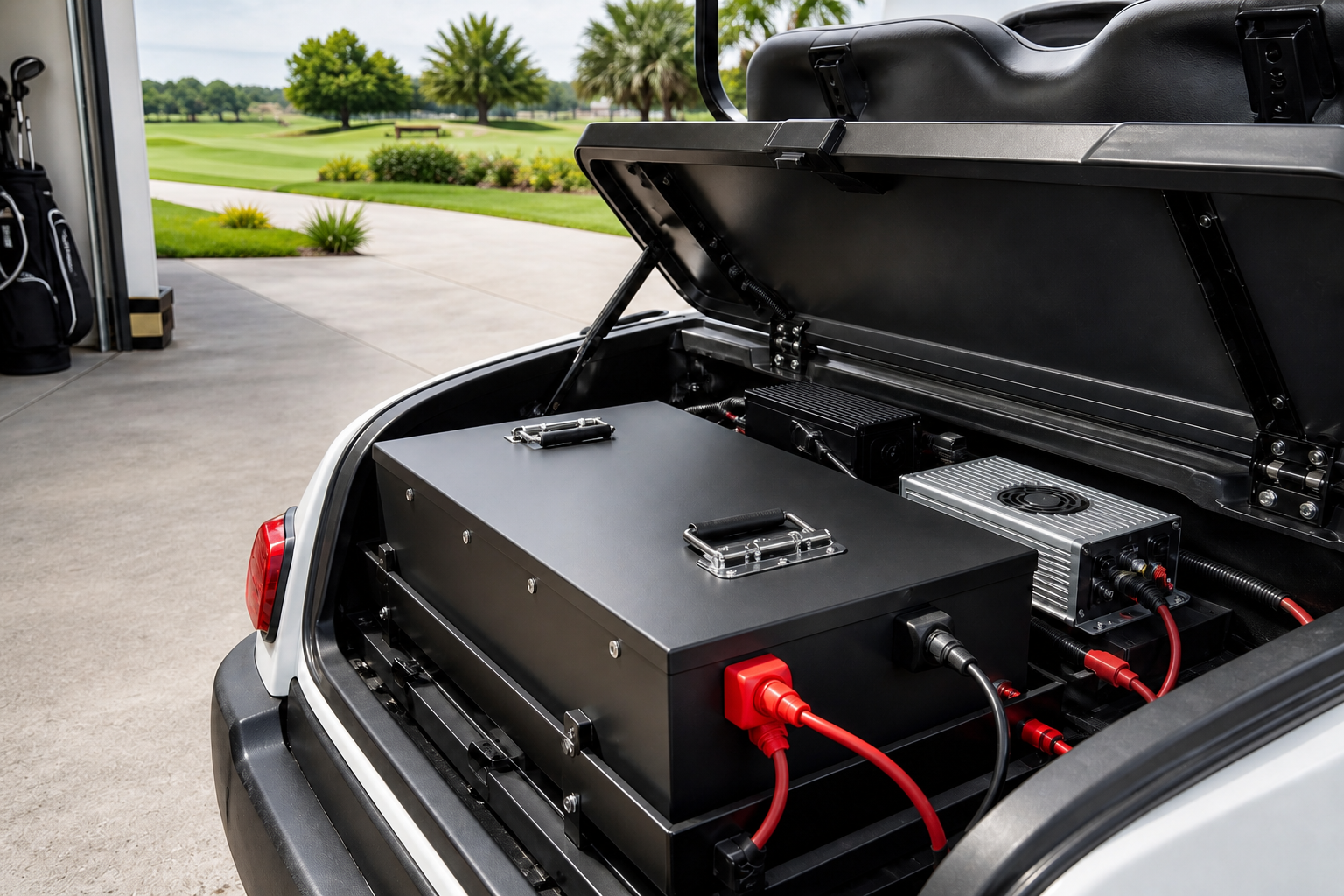
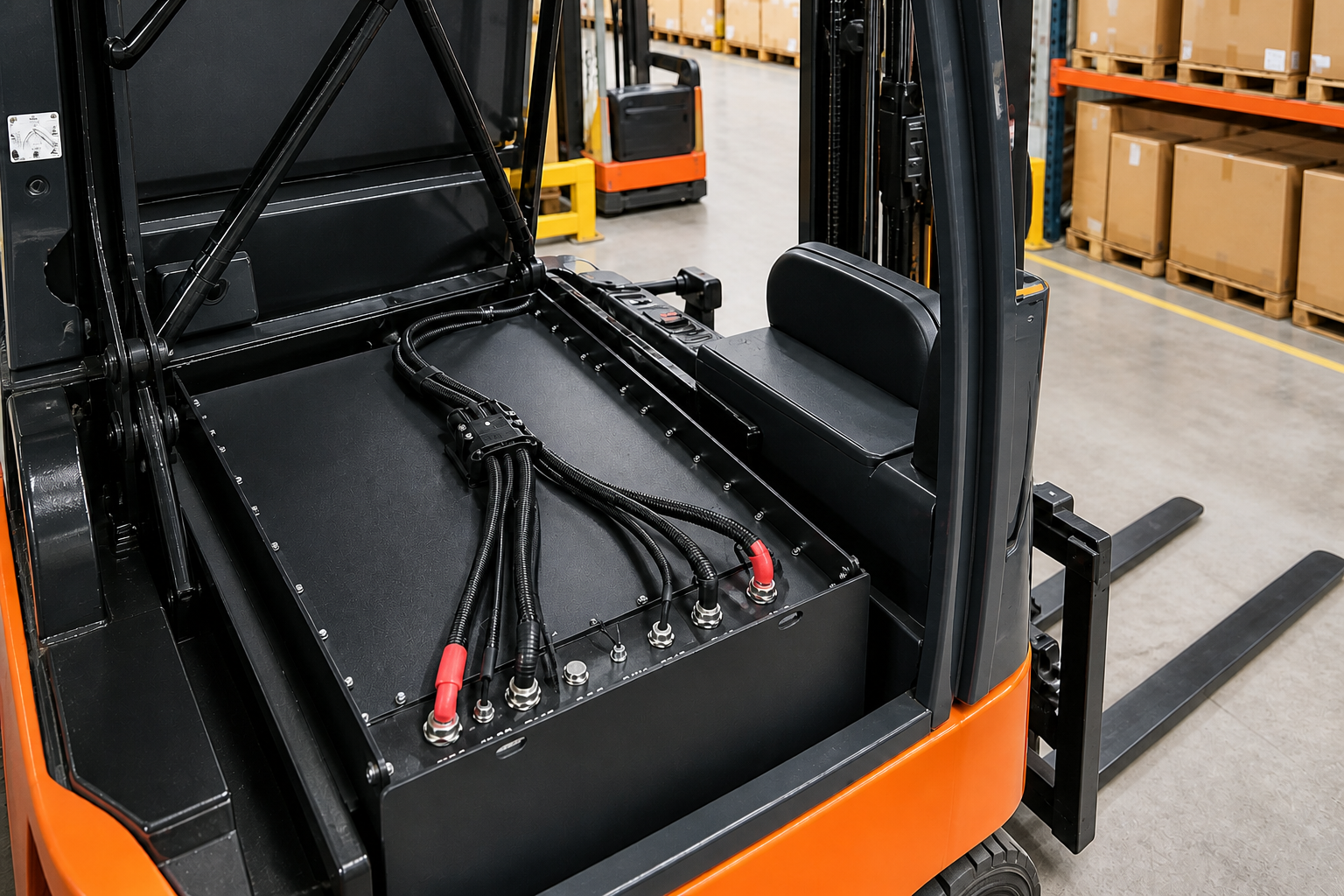
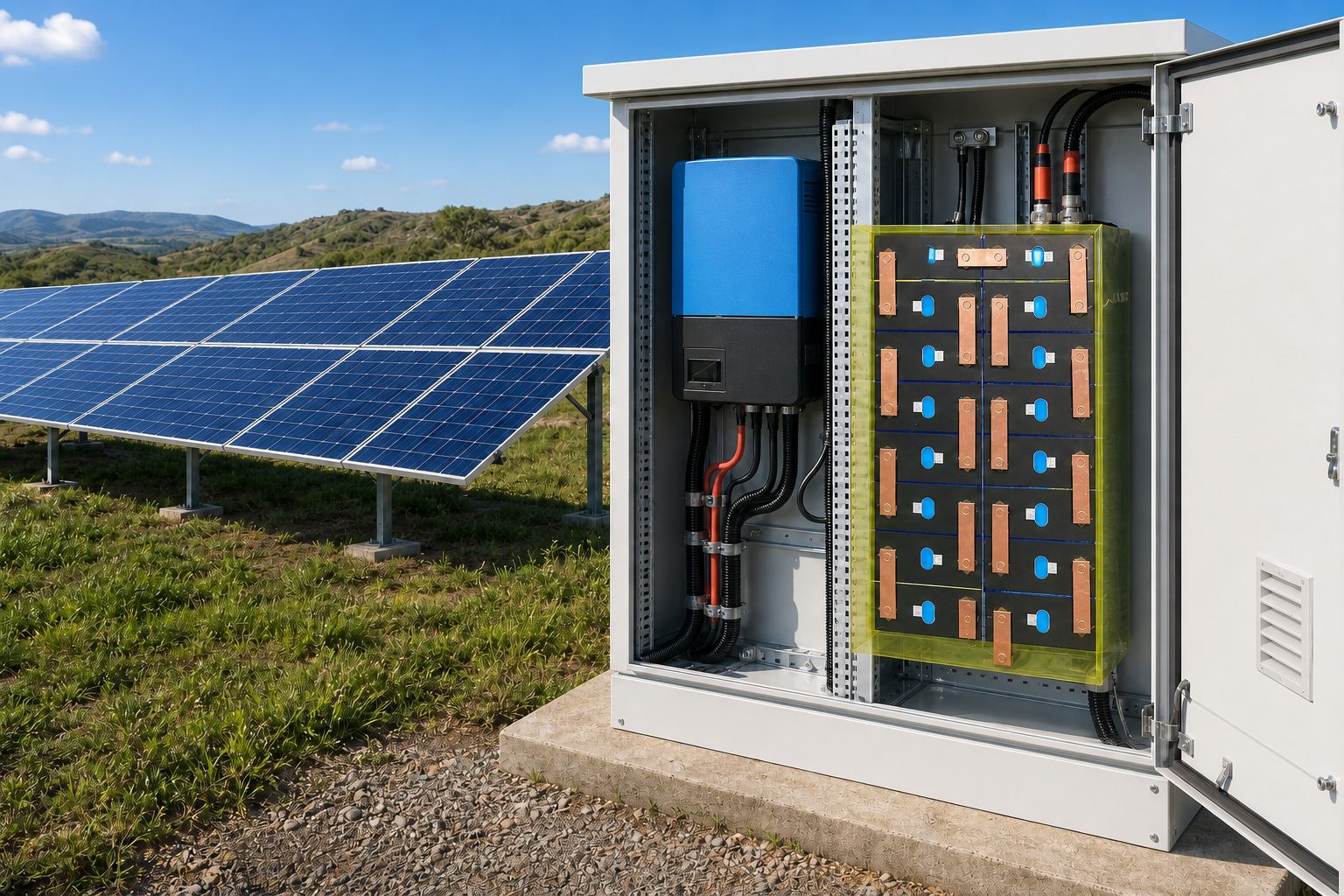
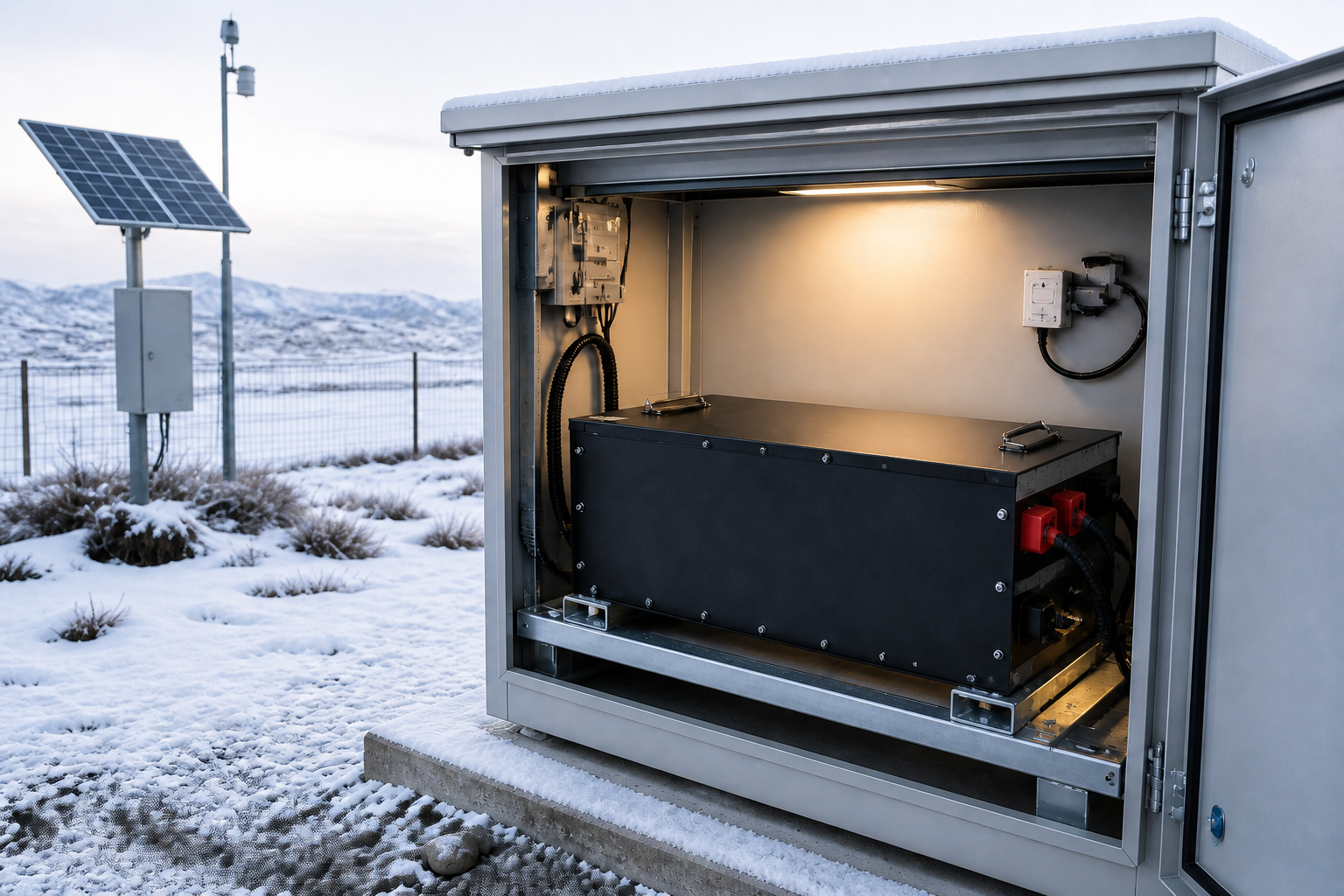
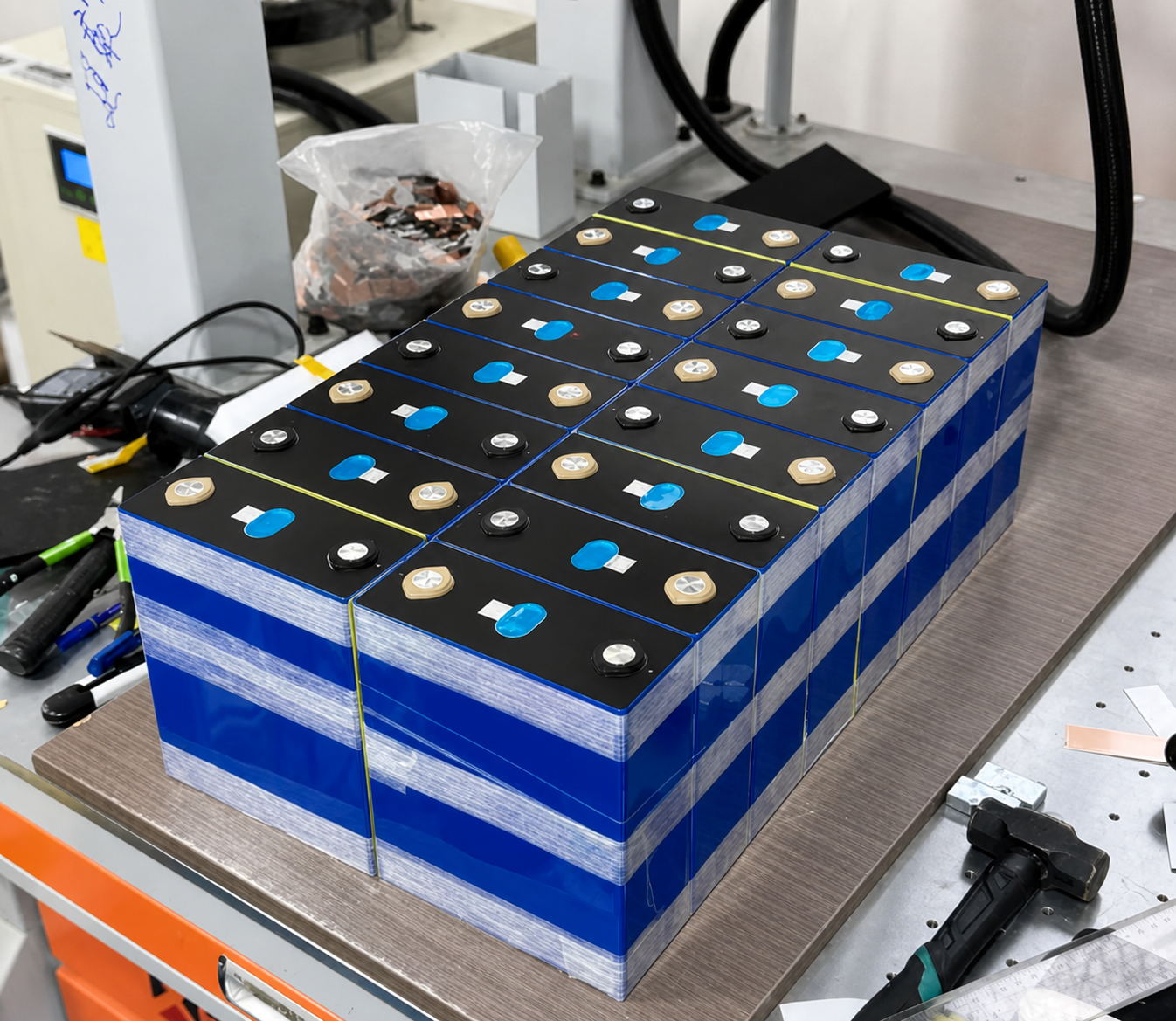
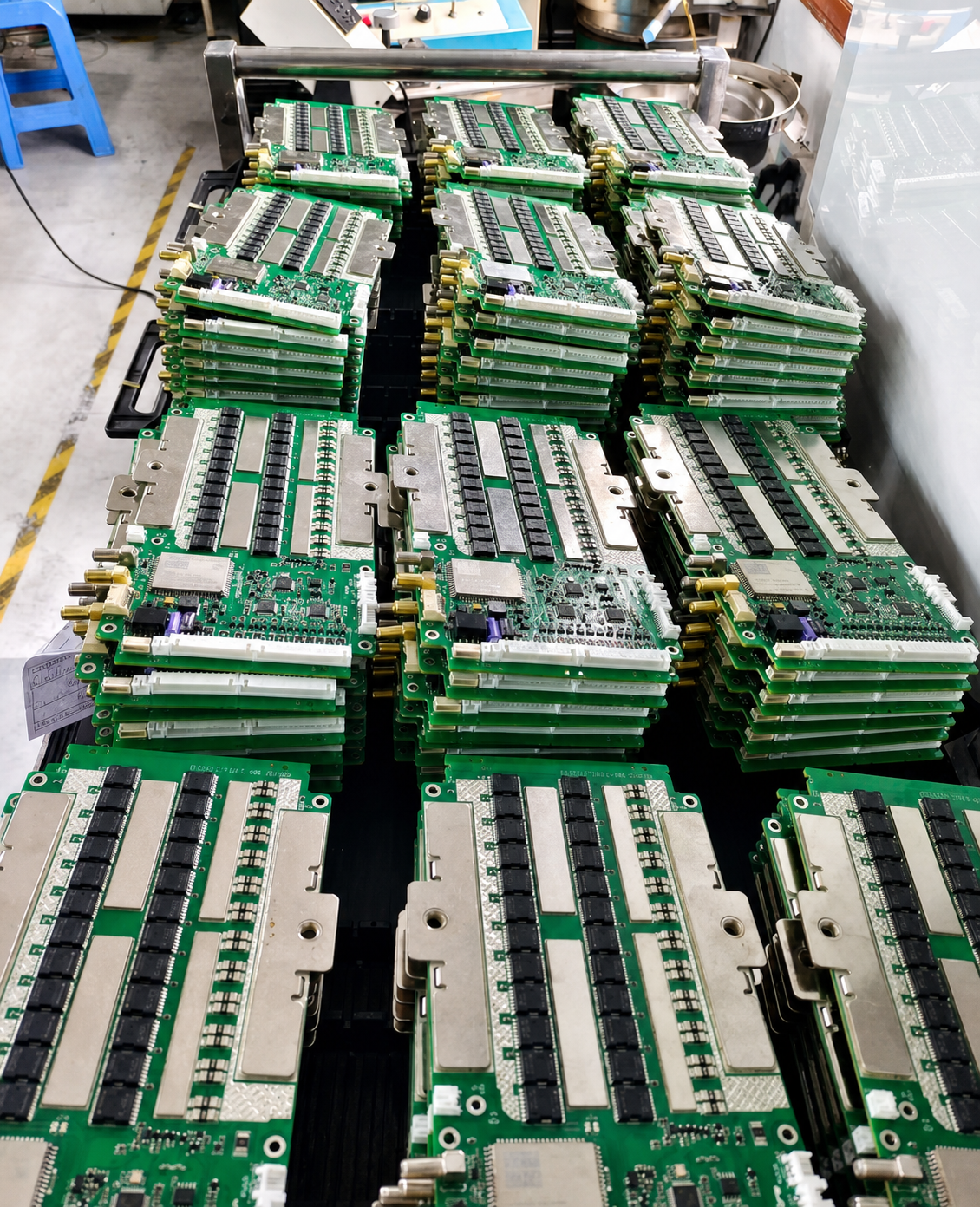
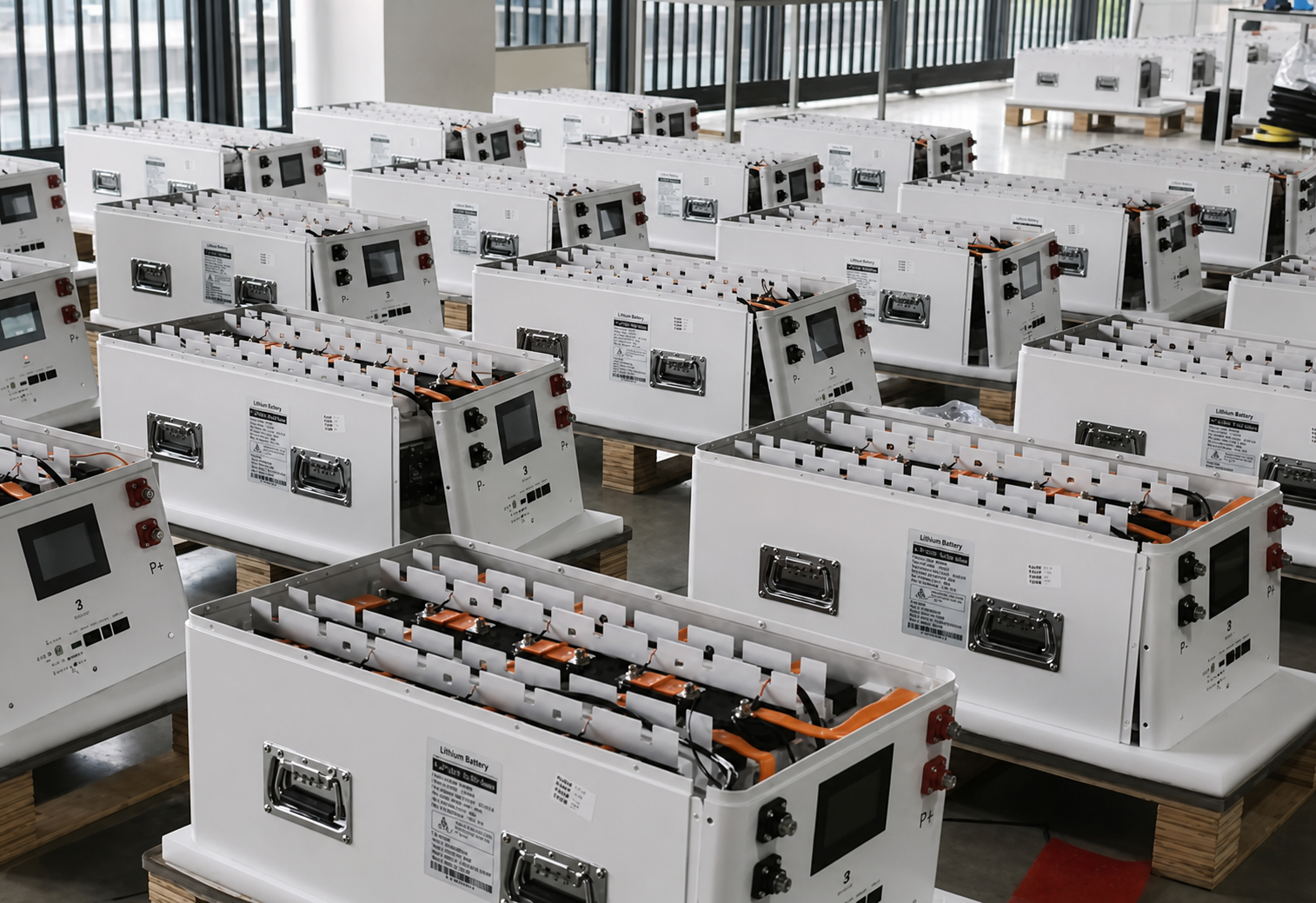
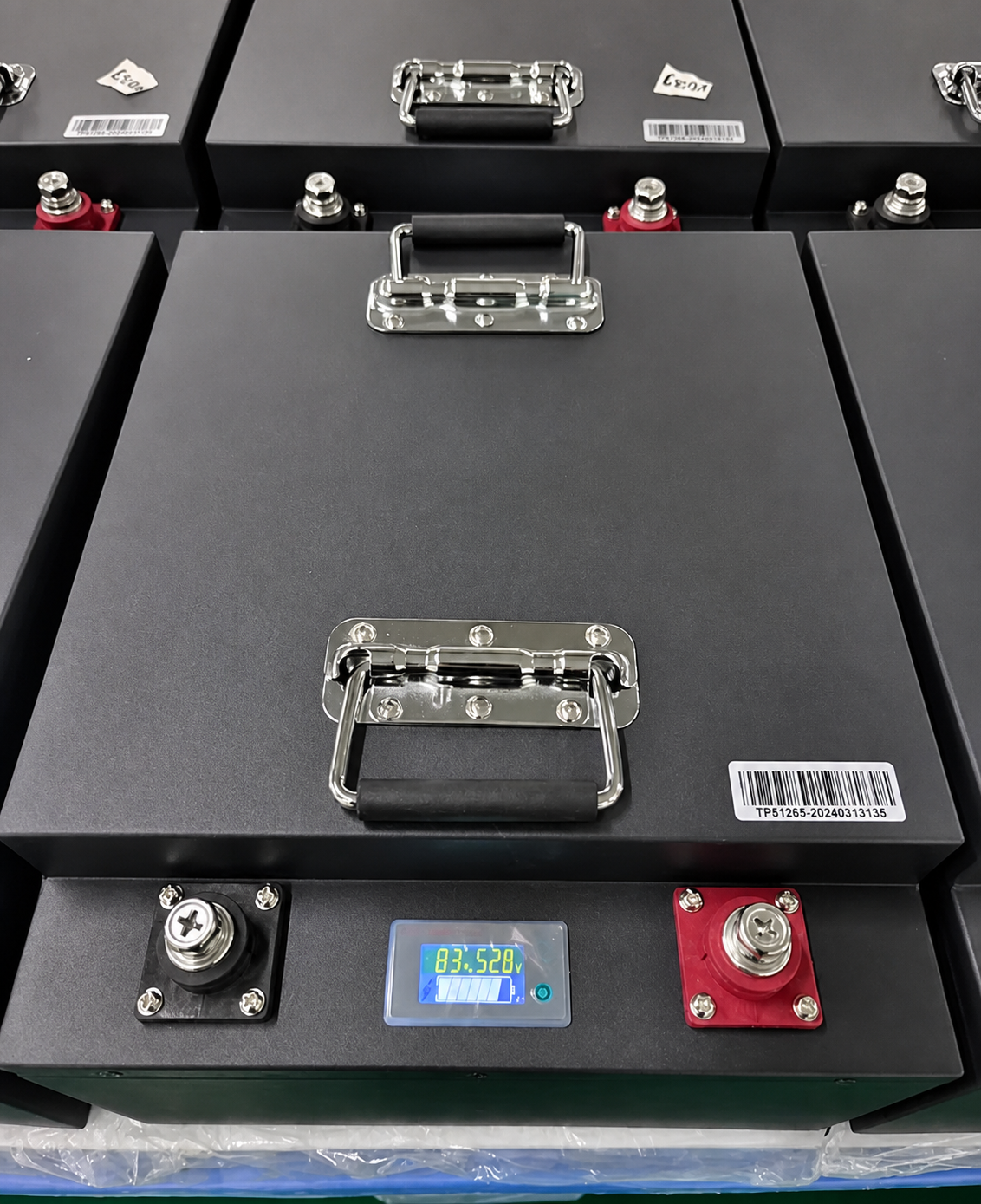
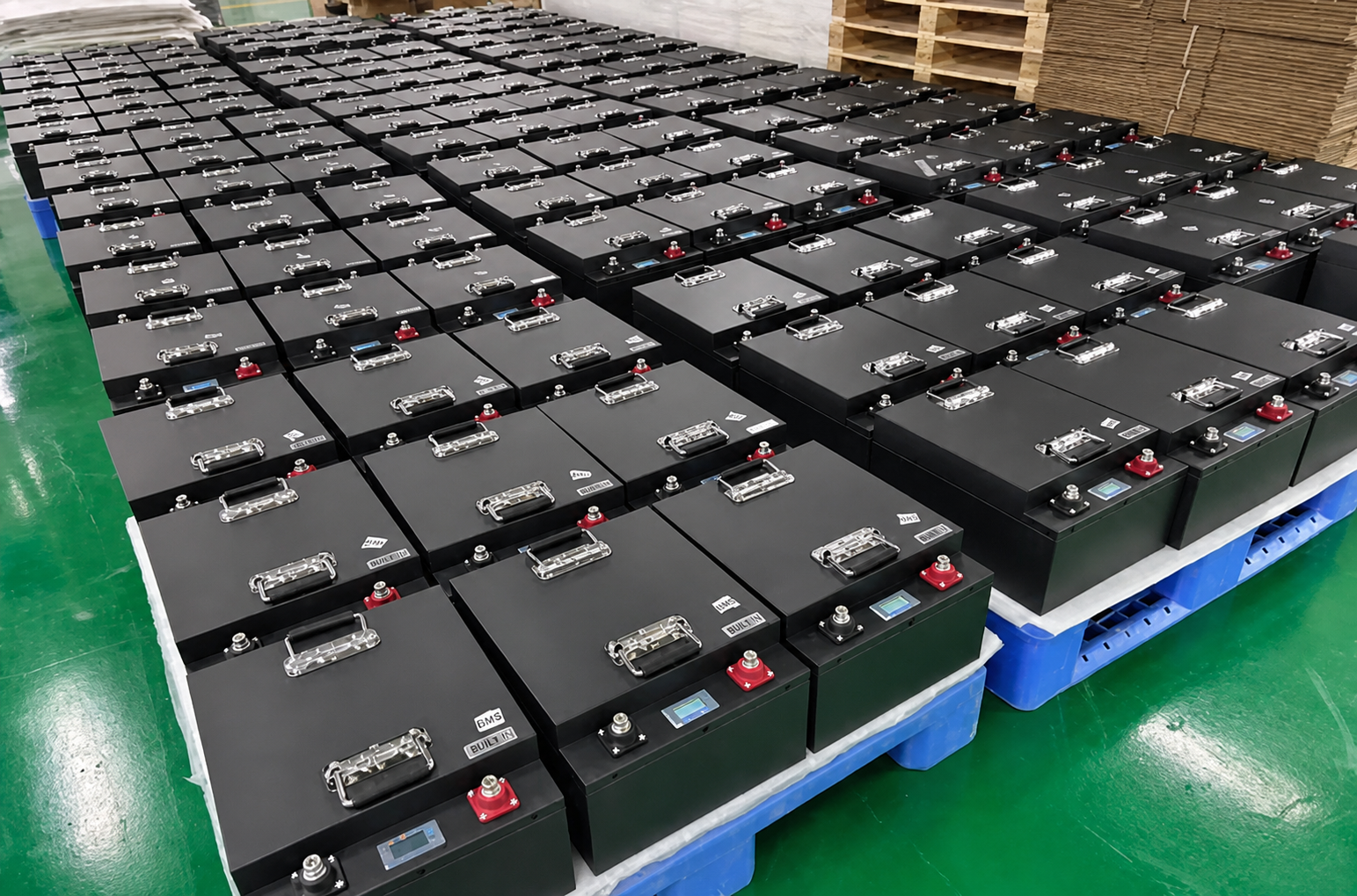
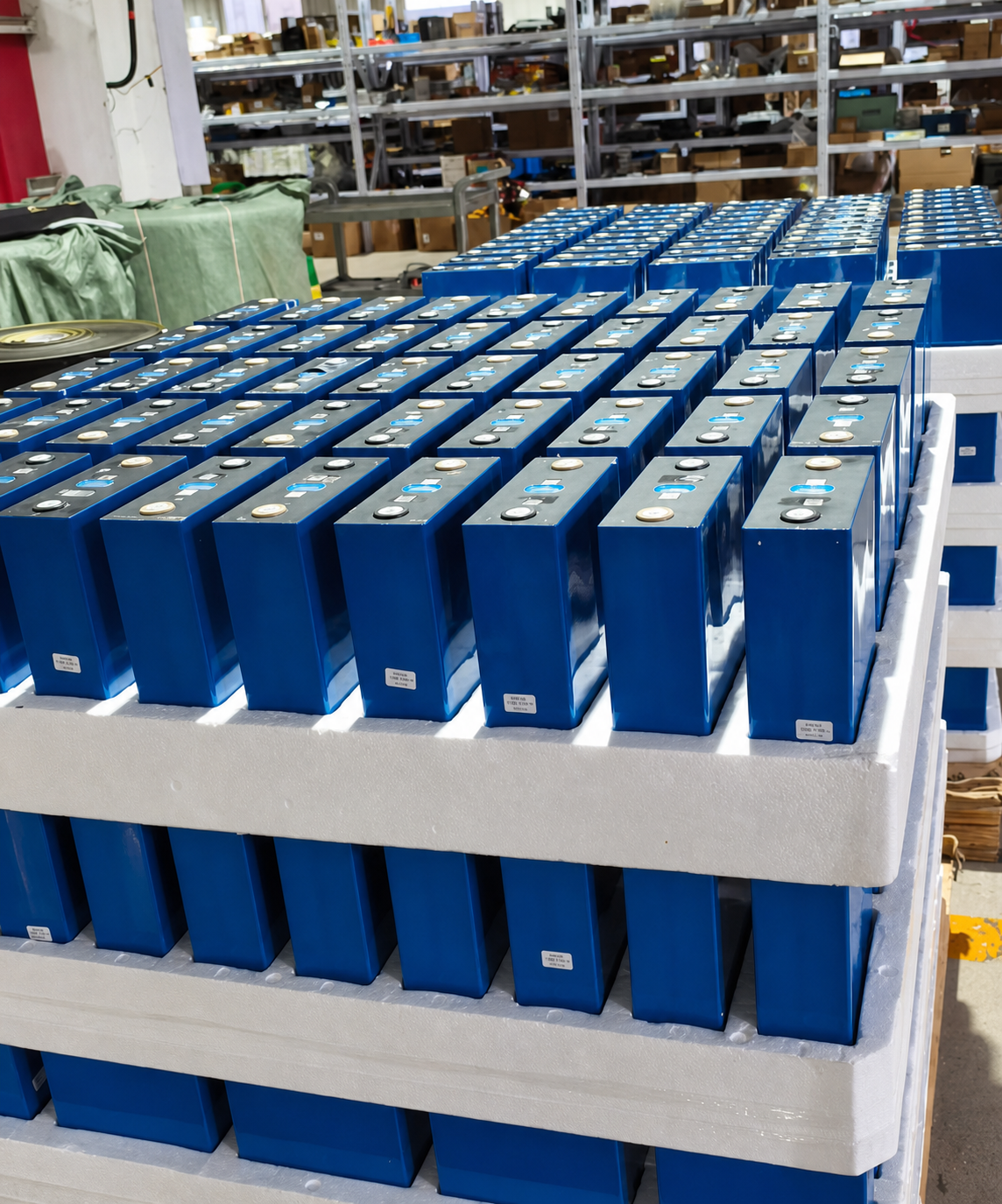
Images show application or product references for discussion and are not customer case studies or performance claims.
Quick answer
A custom battery pack is appropriate when a standard battery does not match the required voltage, energy, peak current, dimensions, environment, communications or certification path. Start with the application load and constraints rather than choosing cells first.
What can be customized?
| Nominal voltage | 12V, 24V, 36V, 48V and project-specific configurations to be confirmed |
|---|---|
| Capacity and energy | Ah and kWh sized from load profile, runtime and usable depth of discharge |
| Chemistry | LiFePO4 or other lithium configurations evaluated for the application |
| BMS and communications | Protection functions plus optional CAN, RS485 or project-defined interface |
| Mechanical integration | Enclosure, mounting, connectors, cable harness and service access |
| Operating environment | Temperature, vibration, moisture, salt exposure and ingress needs |
Typical applications
- Yachts and boats
- RVs, caravans and campers
- Golf carts and low-speed vehicles
- Forklifts, AGVs and AMRs
- Solar and off-grid energy storage
- Cold-climate and outdoor equipment
Engineering considerations
- Define the real continuous and peak load before selecting capacity.
- Confirm the available charging source and charge profile.
- Allow space for protection, thermal design, cabling and service access.
- Identify destination-market testing and transport requirements early.
- Validate prototypes under representative load and temperature conditions.
From requirement to production
Define
Confirm application, load, runtime, environment, interfaces and target quantity.
Configure
Evaluate chemistry, series-parallel layout, BMS, enclosure, connections and charging.
Prototype
Review drawings and prototype behavior against representative loads and temperatures.
Validate
Agree the tests, documentation and destination-market requirements for the finished design.
Scale
Freeze the approved configuration, quality checks and production information.
Related custom battery solutions
What to send for a quotation
Send the information below so the application can be reviewed as a complete electrical and mechanical system:
- Application and equipment model
- Nominal voltage
- Required capacity, energy or runtime
- Continuous and peak current
- Maximum dimensions and weight
- Operating and storage temperature
- BMS communication or display needs
- Charging source or charger model
- Ingress, vibration and mounting requirements
- Estimated quantity
- Destination market and required standards
Email s18301170098@gmail.com WhatsApp +86 19833770783
Testing, certification, lead time and final performance depend on the approved design and project requirements; confirm them during engineering review.
Frequently asked questions
What information is needed to design a custom battery pack?
The starting information is application, nominal voltage, runtime or energy, continuous and peak current, size limits, operating temperature, charging source, communication needs, quantity and destination market.
Can voltage, capacity, BMS and enclosure all be customized?
They can be evaluated together as one system. Final options depend on cell availability, electrical safety margins, thermal behavior, mechanical space and applicable standards.
Is LiFePO4 suitable for every application?
No single chemistry fits every project. LiFePO4 is often considered for cycle life, thermal stability and stationary or mobility uses, but weight, energy density, low-temperature charging and space constraints must also be reviewed.
Can you replace an existing lead-acid battery?
A replacement requires more than matching voltage and Ah. Charging behavior, peak current, dimensions, connectors, low-temperature operation and the host equipment must be checked.
Send an engineering project brief
These fields help the engineering team review electrical, mechanical, environmental and compliance requirements before quotation.
WhatsApp +86 19833770783 · s18301170098@gmail.com
The form opens your email application; project information is not stored on this website.