Rising electricity prices and unstable power supply are pushing more homeowners to rethink how they use energy. A modern home energy storage system gives households greater control over electricity costs, backup power and solar energy usage. Whether paired with rooftop solar panels or used alongside the utility grid, a residential energy storage system stores electricity for use when you need it most – during peak-rate periods, at night, or during unexpected outages.
EnerStorAI designs and supplies complete home energy storage solutions from 5 kWh to 20 kWh, combining LiFePO4 batteries, hybrid inverters and intelligent energy management for maximum savings and reliability.
What Is Home Energy Storage?
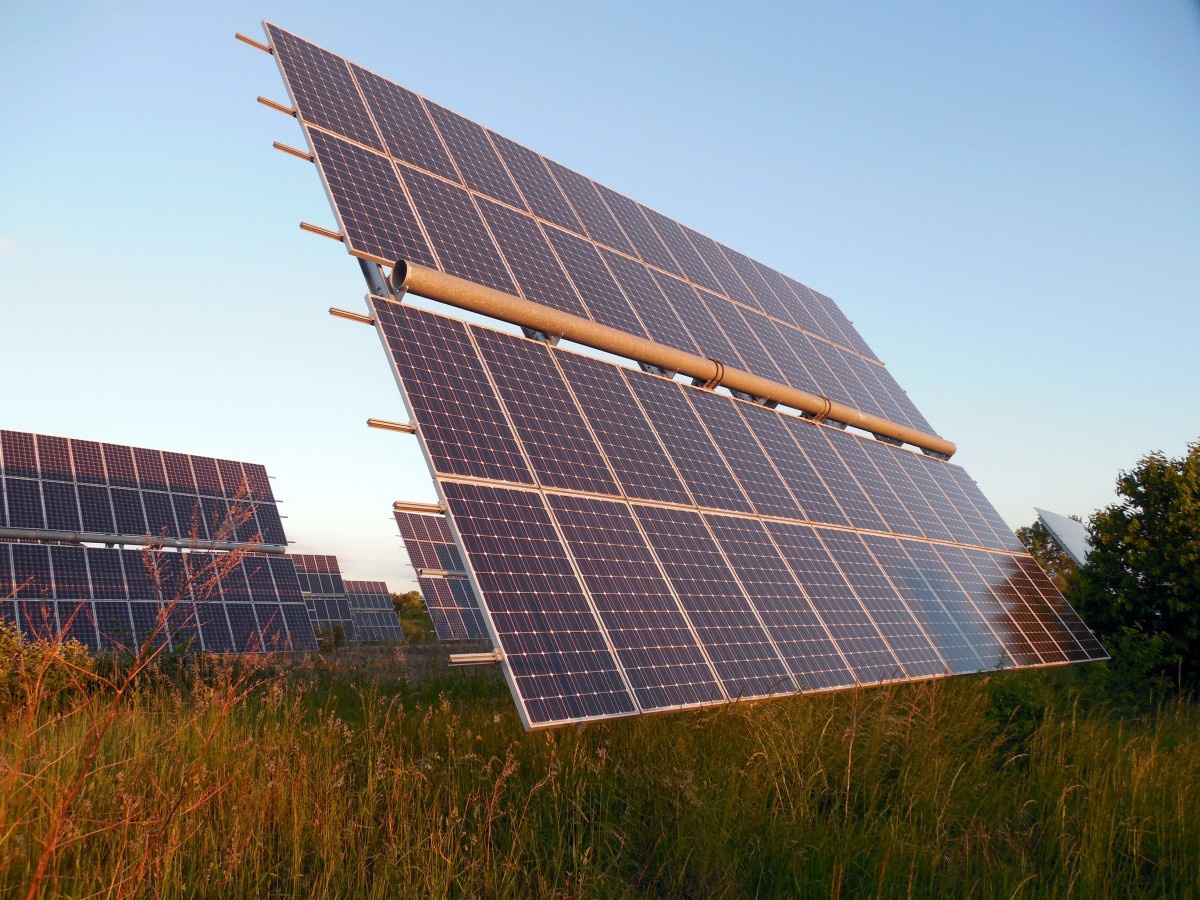
Home energy storage is a battery-based system that stores electricity for later use. In most homes, the system works together with solar panels, collecting excess solar energy generated during the day and storing it in batteries instead of sending it back to the grid. The stored power can then be used:
- At night, when solar panels are not producing.
- During peak electricity pricing hours, avoiding the most expensive grid power.
- During grid failures or blackouts, as automatic backup power.
- In off-grid or weak-grid environments for continuous supply.
A complete residential energy storage setup usually includes lithium batteries, an inverter, an Energy Management System (EMS) and a Battery Management System (BMS). Together they decide when to charge, when to discharge and how to protect the battery.
How a Home Energy Storage System Works
During the day, rooftop solar panels produce electricity. The hybrid inverter first powers the home, then charges the battery with surplus energy instead of exporting it at low feed-in rates. When the sun goes down or grid prices rise, the system automatically discharges the battery to power the home. If the grid fails, the inverter switches to off-grid mode within milliseconds and keeps critical loads running.
For homes without solar, the battery can still be charged from the grid during cheap off-peak hours (time-of-use arbitrage) and discharged during expensive peak hours, cutting electricity bills immediately.
Benefits of a Residential Energy Storage System
Lower Electricity Bills
The system stores electricity when prices are low or when solar production is high, then automatically supplies power when grid electricity becomes more expensive. This reduces dependence on the utility company and improves long-term savings.
Reliable Backup Power
Power outages can interrupt daily life and damage appliances or sensitive equipment. A residential battery storage system provides automatic backup power to keep essential devices running: lighting, refrigerators, internet routers, security systems and medical equipment. The switch between grid power and battery power is seamless.
Better Use of Solar Energy
Without battery storage, a large portion of solar energy is exported back to the grid at low rates. With storage, you use the electricity you generate, raising solar self-consumption from roughly 30% to 80% or more – the fastest way to improve solar payback.
Energy Independence
With the right battery size and solar capacity, homes can cover most or all of their own electricity needs, protecting against tariff increases, grid instability and rolling blackouts.
How to Size a Home Energy Storage System
Step 1 – Know Your Daily Consumption
Check your electricity bill for average daily usage. A household using 20-30 kWh per day typically needs a 10-15 kWh usable battery to cover evening and night consumption; smaller homes using 10-15 kWh per day are well served by 5-10 kWh.
Step 2 – Define Backup Requirements
Decide which loads must keep running during an outage. Whole-home backup needs a larger battery and inverter; backing up only lighting, refrigeration and communication equipment allows a smaller, lower-cost system.
Step 3 – Match Solar and Battery
As a rule, pair 1 kW of solar capacity with 1.5-2 kWh of battery for balanced self-consumption in most climates. A 5 kW solar array with 10 kWh storage covers a typical family home’s evening load.
| System | Battery Capacity | Inverter | Best For |
|---|---|---|---|
| Compact | 5 kWh | 3-5 kW | Apartments, essential-load backup |
| Standard | 10 kWh | 5-8 kW | Average family homes with 3-5 kW solar |
| Large | 15-20 kWh | 8-12 kW | Large homes, high consumption, EV charging |
AC-Coupled vs DC-Coupled Systems
Retrofit installations normally use AC coupling: the battery connects to the AC side through its own inverter, so it works with any existing solar inverter. New solar-plus-storage installations often use DC coupling, where the battery and solar share a hybrid inverter – higher efficiency, fewer components and typically lower cost. EnerStorAI supplies both configurations and will recommend the right one for your roof and tariff.
Installation Requirements
- Wall-mounted or floor-standing battery cabinet with adequate ventilation (or integrated liquid cooling – see our home energy storage cooling pumps).
- Compliance with local electrical codes and, where required, grid connection approval.
- A qualified installer for AC wiring, earthing and inverter commissioning.
- Optional monitoring app for real-time energy flow, savings reports and remote control.
Cost, Lifespan and Payback
With LiFePO4 chemistry, modern home storage delivers 6,000+ cycles and 10-15 years of service life, keeping over 80% of capacity after years of daily cycling. Payback depends on local electricity prices, solar feed-in rates and system size, but time-of-use arbitrage plus increased solar self-consumption typically shortens payback significantly compared with solar-only installations.
Frequently Asked Questions
Can I add a battery to my existing solar system?
Yes. Most existing solar installations can be retrofitted with an AC-coupled home energy storage system. Our engineers check your inverter compatibility and design the retrofit to keep your existing system working.
How long does a home battery last?
LiFePO4 batteries typically provide 6,000+ charge/discharge cycles and 10-15 years of expected service life with more than 80% remaining capacity, depending on usage patterns and operating temperature.
Is home battery storage safe indoors?
LiFePO4 batteries have a highly stable chemical structure and are much less prone to thermal runaway than NMC batteries. Combined with a certified BMS and proper installation, indoor installation is the standard for residential systems worldwide.
Will a home battery pay for itself?
In regions with high electricity prices, time-of-use tariffs or low solar feed-in rates, home storage typically pays back faster than solar alone. Send us your bill and tariff details and we will provide a savings estimate.
How do I get a home energy storage quote?
Tell us your daily consumption, roof solar capacity and backup requirements. Contact EnerStorAI at s18301170098@gmail.com or WhatsApp +86 19833770783 for a free system design and quotation.
Start Your Home Energy Storage Project
EnerStorAI supplies factory-direct residential energy storage systems, batteries, inverters and accessories worldwide. Explore related products: LiFePO4 batteries, energy storage inverters, solar panels and battery solutions.
Email: s18301170098@gmail.com | WhatsApp: +86 19833770783 | WeChat: 18301170098
Home Energy Storage Project Information
For a suitable home energy storage configuration, share daily electricity use, peak load, desired backup duration, solar capacity, inverter preference and installation location.
Request a quotation: Email s18301170098@gmail.com or WhatsApp +86 19833770783. Include your application, quantity and destination so the engineering team can recommend a configuration.