
Powering the Future: Your Ultimate Source for Advanced Lithium Battery Solutions
Lithium Batteries for Energy Storage, Mobility, and Backup Power
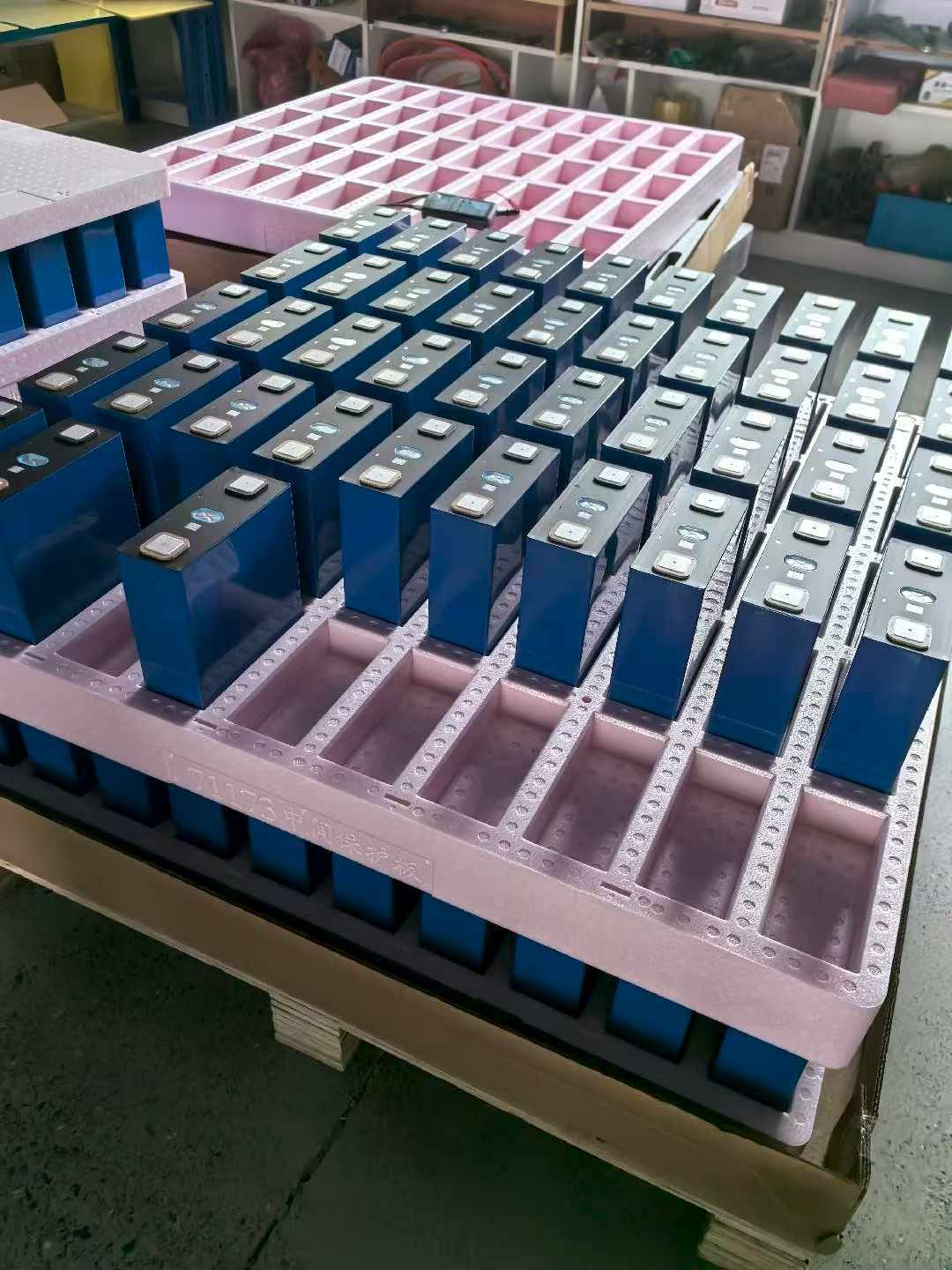
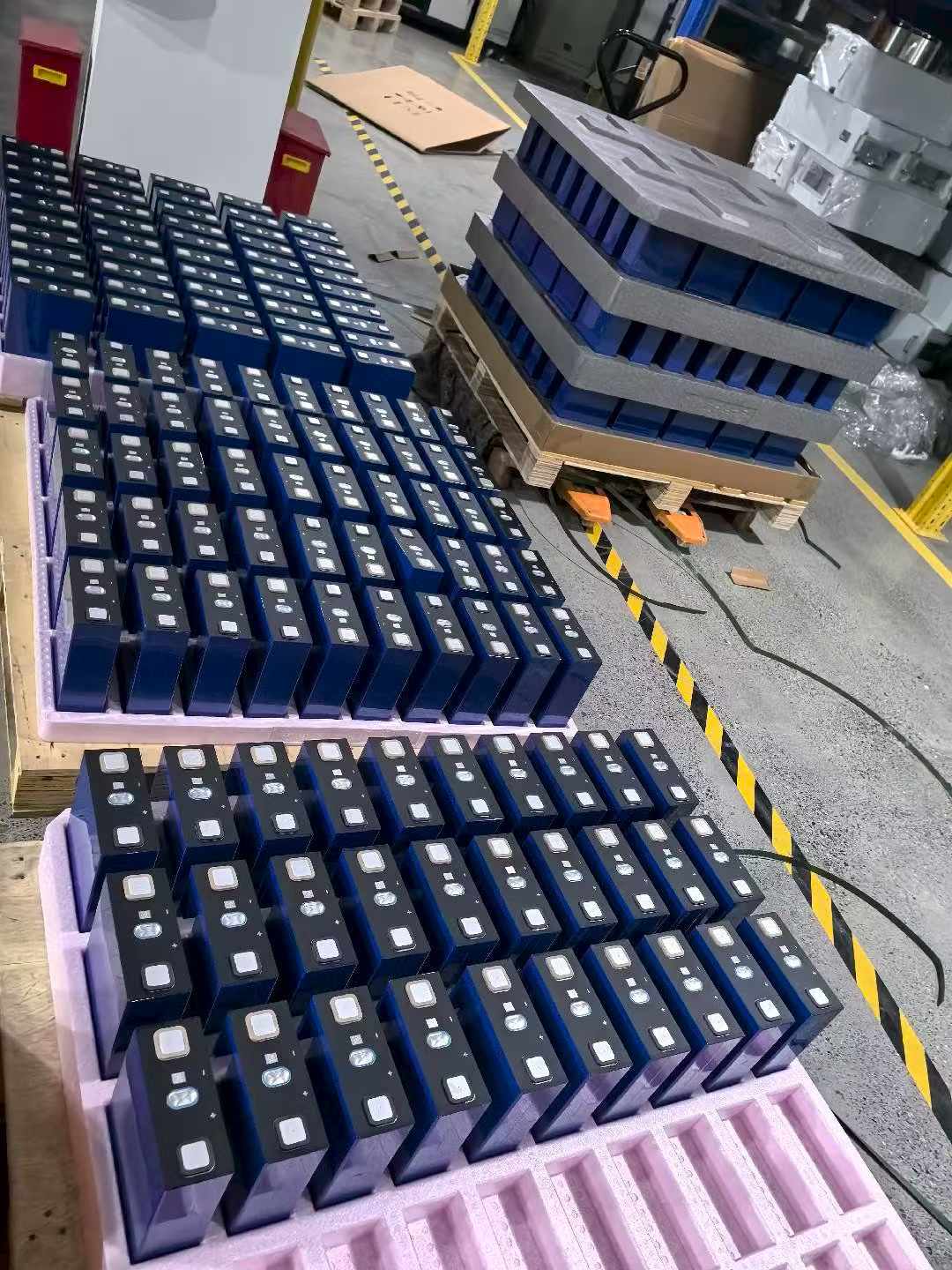
Lithium batteries have become the preferred energy storage solution across residential, commercial, and mobile applications. Compared with traditional lead-acid batteries, they offer longer service life, higher energy efficiency, and significantly lower maintenance requirements.
Today, lithium battery systems are widely used in solar energy storage, home backup power, electric vehicles, marine equipment, RVs, and industrial power applications.
Why Lithium Batteries Are Replacing Lead-Acid Batteries
The shift from lead-acid technology to lithium batteries is driven by several practical advantages.
Longer Service Life
A typical lithium battery can deliver 4,000–8,000 charge cycles, depending on battery chemistry and operating conditions. This is several times longer than conventional lead-acid batteries.
Higher Energy Efficiency
Lithium batteries generally achieve charging and discharging efficiencies above 95%, reducing energy losses during operation.
Reduced Weight and Installation Space
Lithium technology provides higher energy density, allowing more energy storage within a smaller footprint. This is particularly important for vehicles, boats, RVs, and residential energy storage systems.
Faster Charging
Compared with lead-acid batteries, lithium batteries can accept higher charging currents and reach full capacity in less time.
Applications of Lithium Battery Systems
Residential Energy Storage
Homeowners increasingly use lithium battery systems together with solar panels to reduce grid dependence and improve energy security.
Common residential configurations include:
5kWh lithium battery systems
10kWh lithium battery systems
15kWh lithium battery systems
20kWh+ modular battery systems
These systems store excess solar energy during the day and provide power during evening consumption periods or grid outages.
Solar and Off-Grid Power Systems
Lithium batteries are widely used in:
Solar power systems
Hybrid inverter systems
Off-grid installations
Remote power stations
The most common residential voltage platform is the 48V lithium battery system due to its efficiency and inverter compatibility.
Electric Vehicles and Golf Carts
Lithium batteries are increasingly replacing lead-acid batteries in:
Golf carts
Electric scooters
Utility vehicles
Low-speed electric vehicles
Users benefit from longer driving range, faster charging, and reduced maintenance requirements.
RV and Marine Applications
For RVs and marine vessels, lithium batteries provide stable deep-cycle performance while significantly reducing battery weight.
Popular configurations include:
12V lithium batteries
24V lithium batteries
100Ah lithium batteries
200Ah lithium batteries
Choosing the Right Lithium Battery
When selecting a lithium battery, several factors should be considered:
Battery chemistry (LiFePO4, NMC, etc.)
Capacity (Ah or kWh)
Voltage compatibility
Cycle life
Operating temperature range
Warranty coverage
Safety certifications
For residential energy storage applications, LiFePO4 batteries are generally preferred due to their thermal stability and long service life.
Battery Charging and System Protection
A properly matched lithium battery charger and Battery Management System (BMS) are essential for safe operation.
The BMS continuously monitors:
Cell voltage
Temperature
Current
State of charge
This helps protect the battery from overcharging, deep discharge, overheating, and short circuits.
Long-Term Value
While the initial purchase price of a lithium battery may be higher than lead-acid alternatives, the longer lifespan and reduced maintenance costs often result in a lower total cost of ownership over the life of the system.
For applications requiring reliable energy storage, lithium batteries continue to offer one of the most practical and cost-effective solutions available today.