Screw Piles: The Ultimate Foundation Solution – Types, Benefits
Ground screw piles are a faster, greener, and cheaper alternative to traditional concrete. Engineered with helical blades attached to a steel shaft, these piles are mechanically screwed into the ground, providing exceptional stability, load-bearing capacity, and versatility across diverse soil types and construction projects. Whether you’re building a residential deck, installing a ground-mounted solar system, constructing a fence, or erecting a modular building, ground screw piles offer a reliable foundation solution that eliminates the hassle of excavation, concrete pouring, and curing time. This comprehensive guide covers everything you need to know about ground screw piles, including types, applications, key benefits, cost, and how to choose the right option for your project.
What Are Ground Screw Piles & How Do They Work?
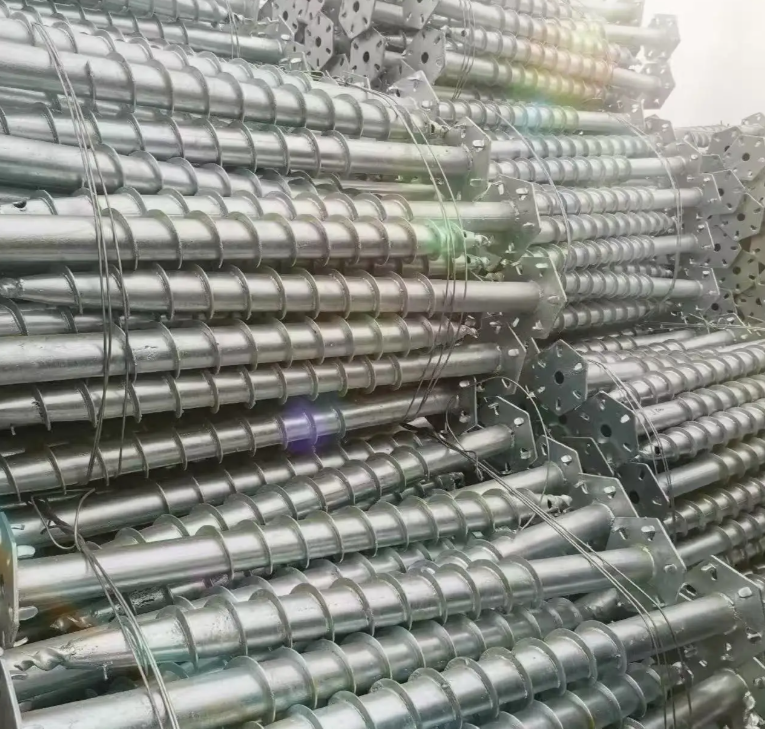
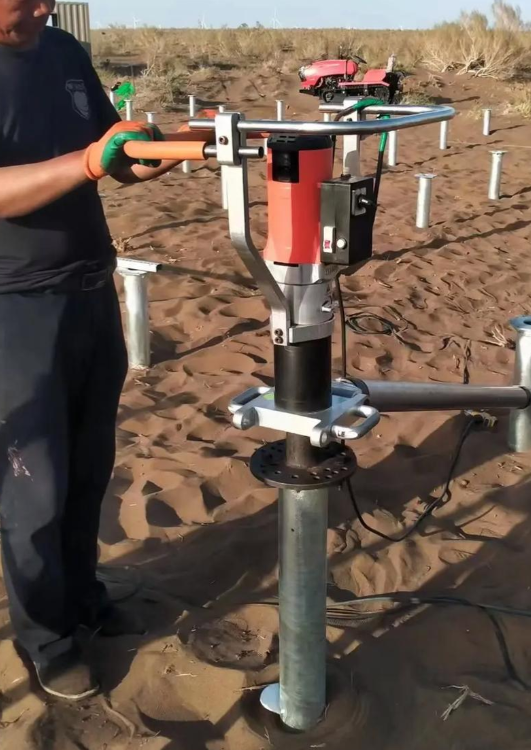
Basically, these are steel shafts with spiral blades that twist into the ground using specialized tools—no digging or concrete needed. The helical blades act like giant screws, engaging with the surrounding soil to distribute structural loads evenly across stable soil layers, ensuring superior stability against compression, tension, and lateral forces. Unlike concrete foundations, which require days to cure, ground screw piles provide immediate load-bearing capacity the moment installation is complete, allowing construction to proceed without delay. Their design also minimizes soil disturbance, preserves the natural terrain, and can be easily unscrewed and reused for temporary structures, making them a flexible and eco-friendly foundation choice.
Types of Ground Screw Piles: Tailored to Your Project Needs
There are different types of piles for different jobs. Knowing your options helps you pick the right one:
1. Single Helix Ground Screw Piles
Single helix ground screw piles feature a single helical plate mounted on a steel shaft, making them ideal for lightweight structures and moderate soil conditions. They are straightforward to install, cost-effective, and commonly used for wooden decks, garden fences, flagpoles, signs, and small modular structures. Their simple design ensures quick installation, even in semi-compact soil, and they provide reliable support for low-load applications.
2. Solar Ground Screw Piles
Heavy-duty piles feature thicker steel and larger blades, built to support warehouses, bridges, and towers. They can penetrate dense, frozen, or semi-rocky soil with ease, thanks to their reinforced screw tips, and provide exceptional stability for high-load applications. These piles are often used in infrastructure projects where reliability and long-term performance are critical.
Key Benefits of Ground Screw Piles: Why Choose Them Over Traditional Foundations
Eco-Friendly: These piles skip the concrete, cutting down on carbon emissions. They require minimal soil disturbance, preserving the natural landscape, and can be unscrewed and reused, making them ideal for temporary or modular structures.
Versatile & Adaptable: Suitable for all soil types—from loose sand to dense clay and semi-rocky terrain—and a wide range of applications, from small residential projects to large commercial installations. They can also be adjusted (cut or extended) to match uneven terrain.
Applications of Ground Screw Piles: Where They Excel
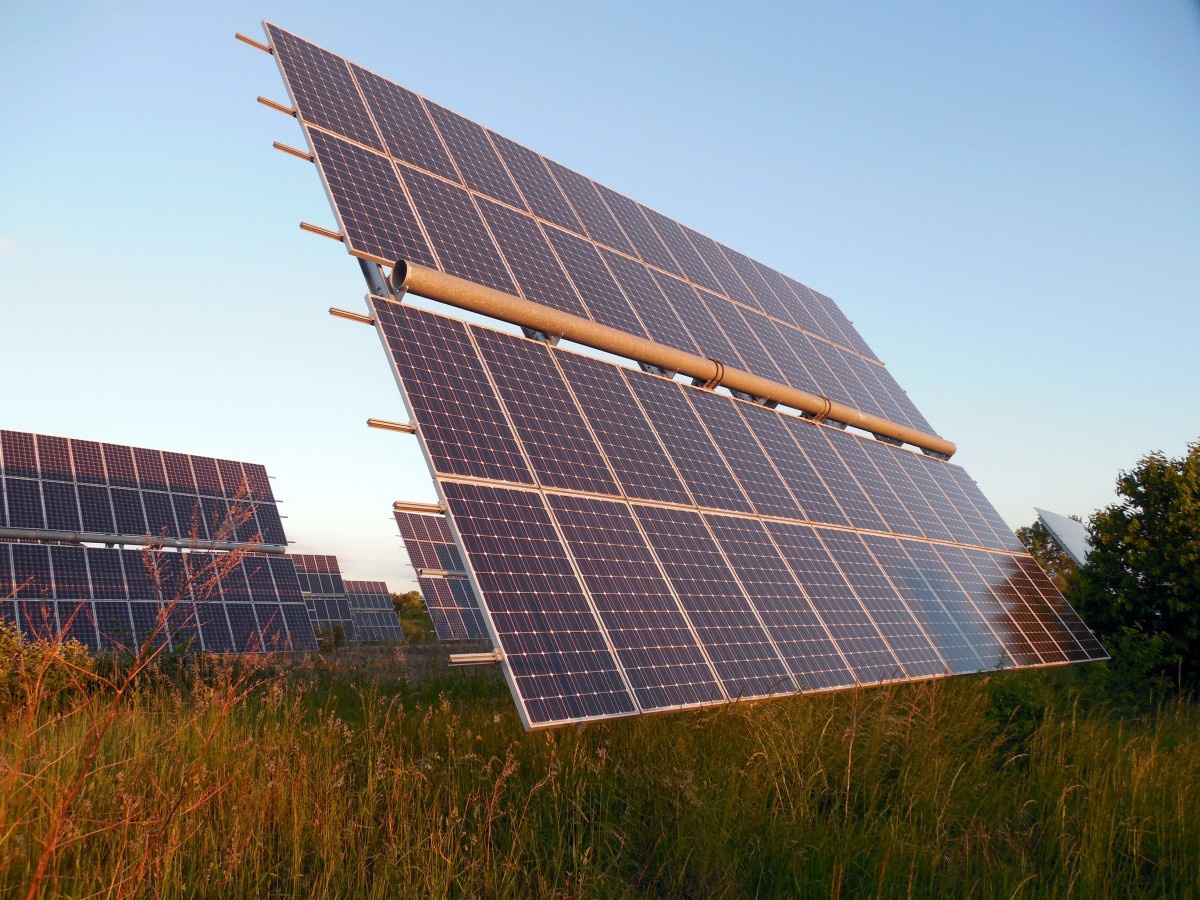
Renewable Energy: Ground-mounted solar panel systems, solar farms, and wind turbine foundations.
Temporary Structures: Construction site offices, event tents, and temporary fencing—thanks to their reusable design.